Explore our premium architectural and commercial LED products engineered for superior efficiency, durability, and smart control.
Analyzing key structural trends, energy regulations, and standardizations dictating B2B lighting procurement in 2025.
The global LED candle lights market has undergone a significant paradigm shift from novelty decorative lighting to crucial energy-saving architectural components. High-end hospitality chains, heritage restoration projects, and smart-home luxury sectors are demanding more than simple filament replication. The current market calls for advanced CCT-tunable, high-CRI (Color Rendering Index) solutions that seamlessly integrate with building automation networks.
Several key engineering breakthroughs have redefined the operational efficacy and longevity of LED candle lights:
Chip-on-Board (COB) linear filaments mimic the exact radiation pattern of historical incandescent flames. The development of sapphire and ceramic glass carrier substrates has increased structural rigidity and thermal conduction, allowing up to 130 lm/W luminous efficiency.
Moving away from cheap Resistance-Capacitance (RC) step-down configurations, premium manufacturers now utilize sophisticated constant current IC drivers. This completely mitigates temporal light artifacts (flicker) that lead to fatigue and disrupt digital camera sensors.
High-end B2B applications require precise color renderings. Standards are migrating to CRI > 95, with strong R9 saturated red values and narrow SDCM (Standard Deviation of Color Matching) < 3, ensuring color consistency across massive batches of bulb installations.
For international procurement directors, importing LED candle lights requires a strict check on local compliance. In the United States, UL (Underwriters Laboratories) and Energy Star credentials dictate commercial viability. In Europe, the strict ErP (Energy-related Products) directive mandates Ecodesign standards alongside CE and RoHS safety labels. These guidelines require factories to test for luminous flux maintenance, color shift, and power factors exceeding 0.7, filtering out low-tier suppliers immediately.
How automation and local integration provide unparalleled cost-to-quality advantages for international buyers.
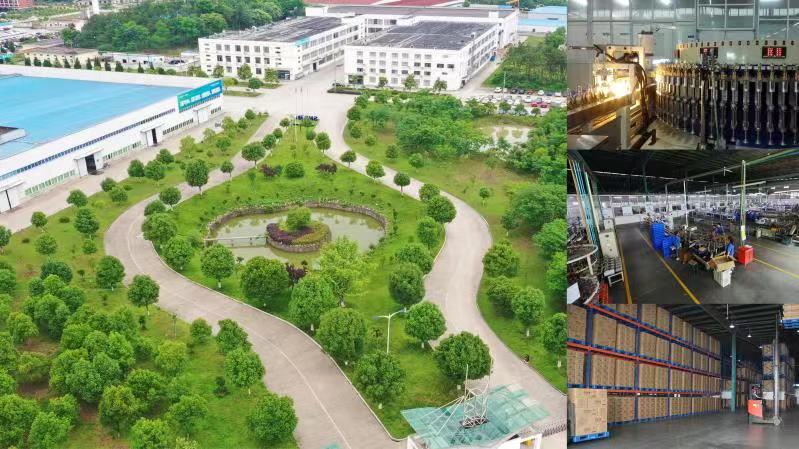
The global dominance of China's LED manufacturing sector is not merely built on labor optimization; it is anchored in Industry 4.0 automation systems and geographical supply chain clustering. From raw silicon wafers to finished, packaging-ready candle lamps, every component is developed within highly specialized manufacturing hubs, reducing lead times and stabilizing supply chains against geopolitical fluctuations.
Modern Chinese exporters utilize automated SMT (Surface Mount Technology) assembly lines, computerized aging test chambers, and precision laser alignment systems for gas-fill (Helium or Argon) filament sealing. This ensures that every LED candle bulb achieves airtight moisture insulation, vital for preventing premature degradation of filament phosphors. The result is a production environment capable of massive scale customization with near-zero defect rates.
A Case Study in Advanced Chinese LED Sourcing and Technological Leadership
Dongguan Luma Bulb Co., Ltd. is committed to the construction of a top-level lighting brand. After years of development, Dongguan Luma Bulb Co., Ltd. has become a professional brand of occupies a place in the lighting industry. The company’s technology research and development team is a leading professional team in China.
Dongguan Luma Bulb Co., Ltd. has always been adhering to the professional and honest service core, aiming to connect all business opportunities through unremitting efforts. We supply a wide variety of products to support the growing adoption of energy-efficient LED applications. Proving commercial and residential lighting solutions. Adhering to our core values of "quality, integrity". "Technology innovation" became our core competitive edge.
Dongguan Luma Bulb Co., Ltd. will always help customers maintain their advantages, grow together, share experience, and become a pioneer in led lighting marketing.
Understanding optimal deployment of LED Candle Bulbs across diverse commercial environments.
Hotels and luxury resorts require consistent dimming behaviors without drop-out or dead travel. Candle lights equipped with triac or 0-10V dimming profiles create perfect intimate dining or lounge ambiances while maintaining high-CRI light outputs.
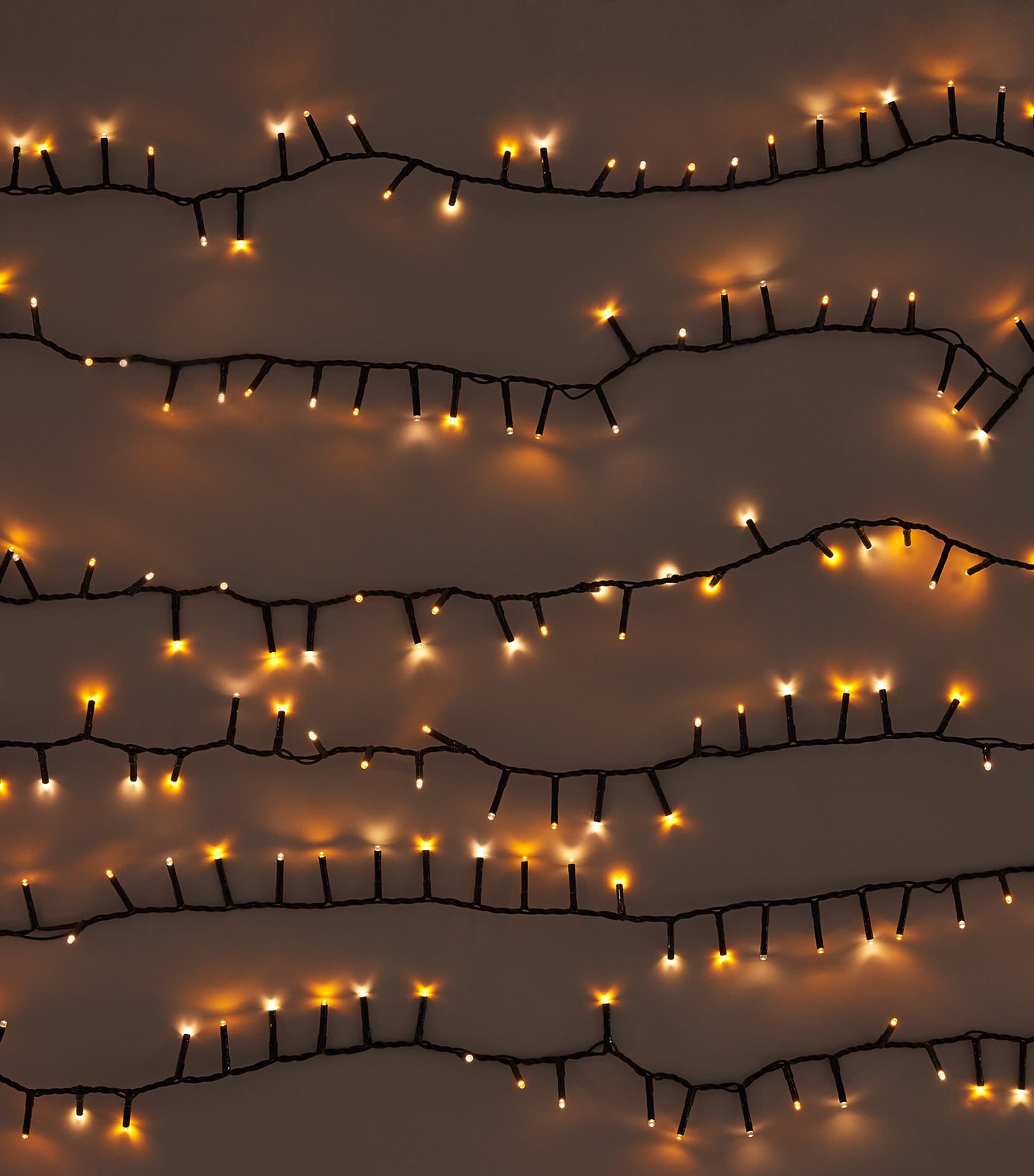
Historical restorations require lighting that respects classic styling. The clear glass flame-tip design houses miniature, high-efficacy LED filaments that seamlessly fit antique crystal chandeliers, mimicking gas flame shapes and heat emissions.
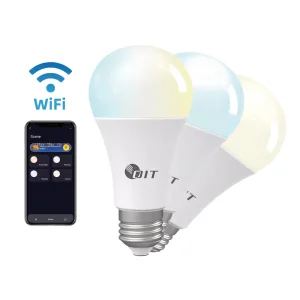
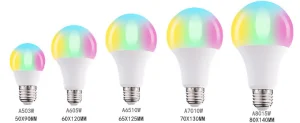
Modern office complexes deploy IoT smart bulbs with mesh connectivity protocols like Matter, Zigbee, or Bluetooth LE. This allows real-time load management, power usage calculations, and automated circadian color temperature shifting.
Across these environments, thermal management is key. Traditional candle shapes offer very narrow heat dissipation pathways, causing sub-standard brands to overheat, which compromises the controller chips. Superior suppliers solve this by incorporating transparent, heat-conductive polymer bases or internal aluminum sleeves. This optimization maintains Tj (junction temperature) below 85°C, ensuring the fixture satisfies its lifetime expectations.
In-depth technical answers addressing critical points in international LED procurement.
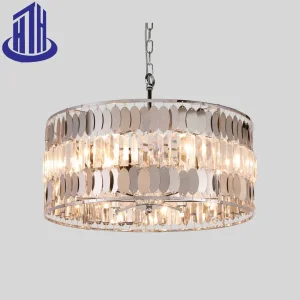
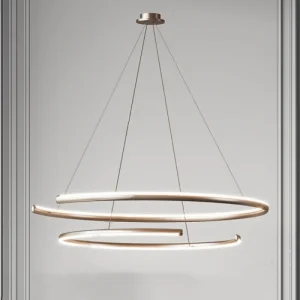
Premium architectural chandeliers, heavy-duty industrial systems, and smart bulbs optimized for international markets.
 Luma Bulb