Curated energy-efficient luminaires designed to meet rigorous safety benchmarks, structural integrity, and smart controls.
Analyzing the paradigm shift from carbon filament lamps to high-efficacy, micro-array LED filament configurations.
Modern interior and architectural design continues to exhibit a strong preference for the warm, nostalgic atmosphere historically delivered by early carbon-filament lamps designed by Thomas Edison. However, the commercial operation of traditional incandescent lights has become unsustainable due to severe luminous inefficiency (typically 12-15 lm/W) and high heat generation. This conflict between design aesthetics and operational cost has propelled the development of Vintage Style LED Filament Bulbs.
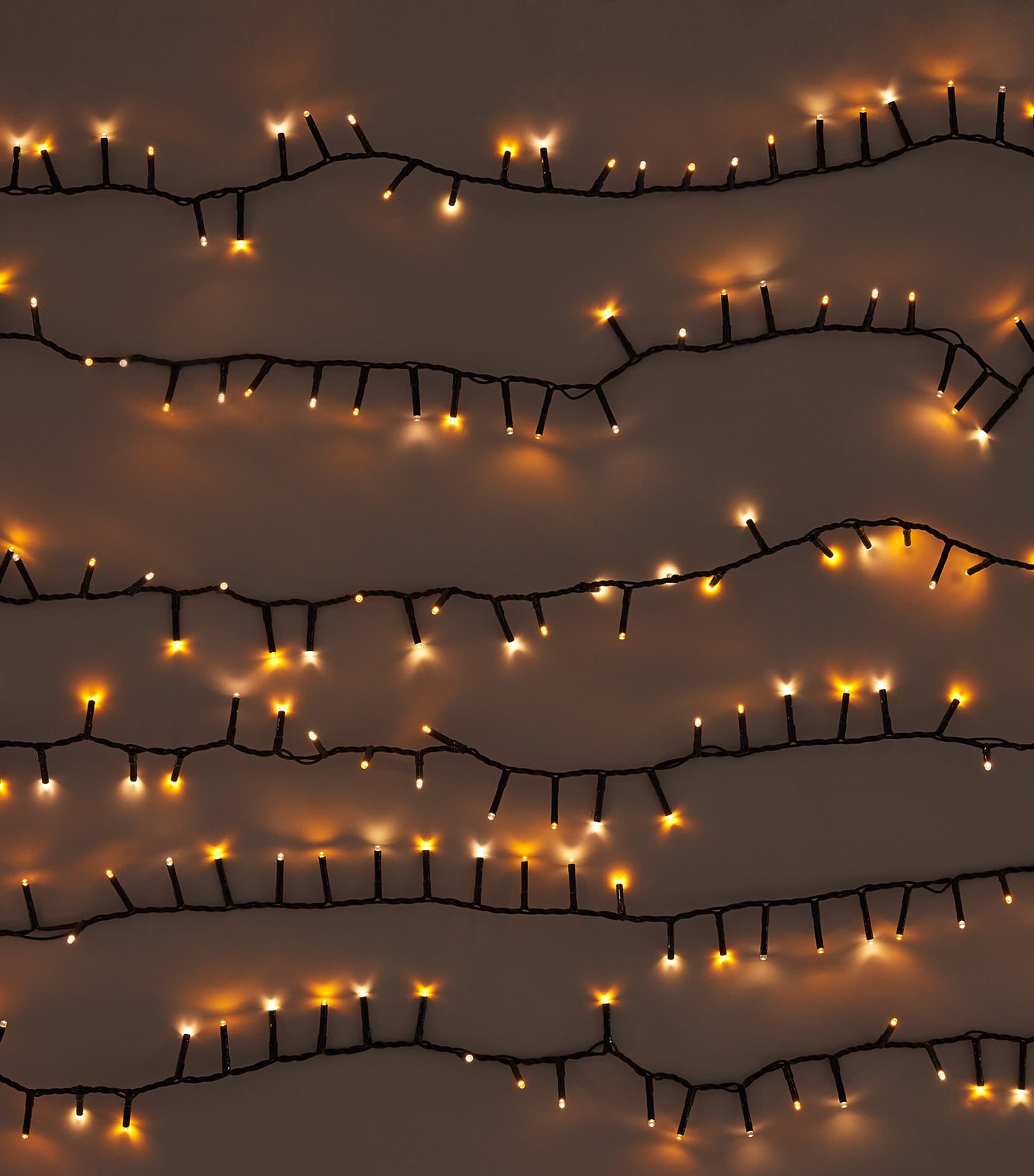
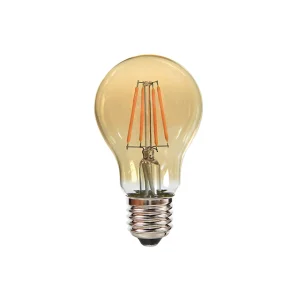
As a leading engineering solution, modern vintage-style LED bulbs utilize linear Chip-On-Glass (COG) packaging technology. By bonding micro-LED chips onto synthetic sapphire or ceramic glass substrates and coating them with customized phosphor matrices, manufacturers achieve an omnidirectional 360-degree light distribution. This technology closely mirrors the visual profile of traditional filaments, providing the warm, amber glow demanded by upscale hotels, historic restorations, and boutique retail stores without sacrificing operational longevity or modern energy standards.
Technical Insight: Our proprietary packaging systems employ Helium gas filling inside the glass envelope. The high thermal conductivity of Helium accelerates heat dissipation from the active LED junctions to the glass outer wall, securing an operational lifespan of over 25,000 hours (L70/B50 metric) and preventing package degradation.
B2B procurement agents and lighting engineers must evaluate several factors when specifying retro-style light sources. Crucial parameters include the color rendering metrics, spectral power distributions (SPD), and dimming compatibility profiles. While standard residential LED bulbs prioritize cost optimization, architectural-grade vintage bulbs require complex electronic designs:
Superior visual fidelity with typical CRI (Ra) values exceeding 90, combined with an R9 (red spectrum index) greater than 50. This preserves the natural textures of wood, fabric, and culinary presentations in commercial venues.
Adhering to strict EU ErP regulations and Title 24 flicker limits. Integrated drivers minimize temporal light modulation (TLM) to mitigate eye strain and prevent strobing during high-speed video recording.
Engineered for stable dimming down to 1% without drop-outs, popping, or visual buzzing. Fully compatible with major professional dimming infrastructures including Triac, 0-10V, and digital protocols (DALI).
Dongguan Luma Bulb Co., Ltd. - Driving Quality and Value in Commercial and Industrial Lighting
Dongguan Luma Bulb Co., Ltd. is committed to the construction of a top-level lighting brand. After years of development, Dongguan Luma Bulb Co., Ltd. has become a professional brand that occupies a distinct place in the lighting industry. The company’s technology research and development team is a leading professional team in China, pushing the boundaries of what is possible in solid-state vintage illumination.
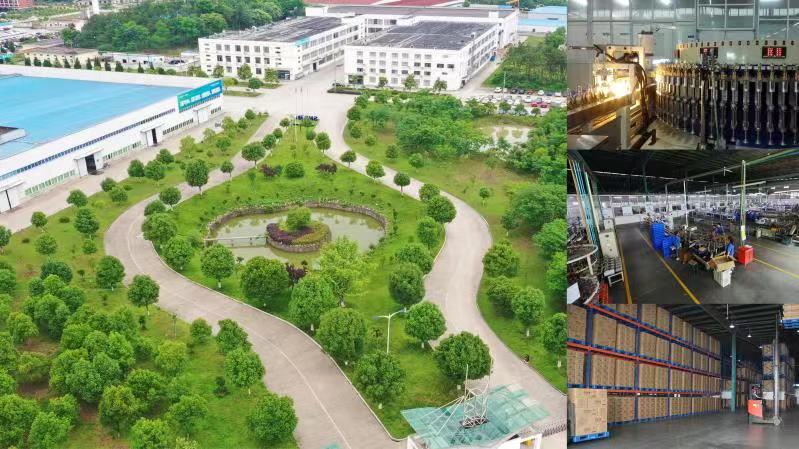
Dongguan Luma Bulb Co., Ltd. has always adhered to a professional and honest service core, aiming to connect all business opportunities through unremitting efforts. We supply a wide variety of products to support the growing adoption of energy-efficient LED applications, providing both commercial and residential lighting solutions. Adhering to our core values of “quality, integrity”, “Technology innovation” has become our core competitive edge, enabling us to support global infrastructure projects and large-scale architectural retrofits.
Dongguan Luma Bulb Co., Ltd. will always help customers maintain their advantages, grow together, share experience, and remain a pioneer in LED lighting marketing. Our state-of-the-art facility integrates advanced SMT machines, cleanroom filament encapsulation, gas-charging lines, and automatic age-testing conveyors to ensure that every single vintage bulb meets international reliability thresholds before shipment.
Capitalizing on environmental regulations and architectural trends to generate long-term savings.
The global demand for high-efficiency decorative lighting is expanding rapidly. Globally, urban renewal initiatives and regulatory policies (such as the EU Ecodesign Directive ErP and the US Department of Energy's incandescent bans) are forcing commercial establishments to transition away from traditional lamps. In historic hotels, museums, upscale dining venues, and theme parks, standard high-efficiency LED panel lights are visually unsuitable, as they detract from the architectural heritage. This is where high-CRI, low-color-temperature vintage LED bulbs offer the optimal compromise.
By implementing retro-style filament installations, developers can capture massive operational energy savings without altering the intended physical charm of historical spaces. This integration has proven highly popular in Europe and North America, where strict zoning regulations govern aesthetic changes to heritage zones.
To assist lighting specifiers and electrical contractors in procurement planning, the following table outlines the comparative performance of legacy light sources versus next-generation LED vintage filaments:
| Performance Parameter | Legacy Carbon Filament | Standard LED Bulb | Luma Glass-Encapsulated LED Filament |
|---|---|---|---|
| Luminous Efficacy | 10 - 15 lm/W | 80 - 100 lm/W | 110 - 150 lm/W |
| Correlated Color Temp (CCT) | 2000K - 2200K | 2700K - 6500K | 1800K - 2400K (Amber Custom) |
| Operating Lifetime (L70) | 1,500 Hours | 15,000 Hours | 25,000 - 30,000 Hours |
| Color Rendering Index (Ra) | 100 (Nominal) | 80 (Typical) | 90 - 98 (Premium Grade) |
| Glass Envelope Inert Gas | Vacuum / Argon | None (Plastic/Alu) | Helium (Optimized Heat Dissipation) |
| Flicker Index (SVM) | < 0.1 | > 0.5 (Low Cost) | < 0.2 (High-Efficiency IC Driver) |
From an investment standpoint, retrofitting a large hotel property with energy-efficient vintage filament alternatives generally yields a full return on investment (ROI) within 8 to 14 months. This is driven by reductions in cooling load, minimized lamp-replacement labor costs, and up to a 90% drop in energy consumption dedicated to ambient decoration.
Ensuring compliance across diverse international regulatory frameworks and electrical systems.
Navigating global regulatory landscapes requires a manufacturer with deep certification expertise. Different continents enforce distinct safety, electromagnetic compatibility (EMC), and energy efficiency mandates. Dongguan Luma Bulb Co., Ltd. ensures its products are engineered to align with these varying standards:
Beyond technical certifications, localization involves customized logistical and packaging options. We offer tailored OEM/ODM packaging, customizable laser etchings for branding, and customized distributions of color temperatures ranging from ultra-warm candle amber (1800K) to soft white (2700K) to suit varying regional preferences.
Compliance Note: By working with a manufacturer that controls the driver engineering and SMT processes in-house, importers avoid customs delays related to non-compliant components. Our manufacturing facility maintains active registrations and undergoes quarterly audits by third-party testing institutions such as SGS and TUV.
Pioneering the next wave of flexible substrates, smart mesh ecosystems, and sustainable raw materials.
The field of vintage lighting continues to evolve. While rigid sapphire substrates have served as the industry standard, next-generation developments focus on flexible, curved polymer substrates that allow for intricate spiral, loop, and double-helix structures. These flexible designs replicate early hand-wound tungsten lamps with higher precision.
Additionally, the integration of smart home and building automation systems (BAS) into vintage glass envelopes represents a significant technological leap. Dongguan Luma Bulb Co., Ltd. is actively expanding its R&D into several key areas:
Dual-phosphor-mix filaments that dynamically transition from 2700K down to 1800K as the lamp is dimmed, mimicking the natural warm shift of burning wood or incandescent metal.
Integrating Matter-compliant, Zigbee, and Bluetooth Low Energy (BLE) micro-controllers directly within the metal base, enabling automation without visible external antennas.
Transitioning toward lead-free solder pastes, recycled brass bases, and biodegradable packing materials to reduce the environmental footprint of large-scale infrastructure retrofits.
Addressing the core technical, electrical, and commercial questions raised by lighting designers and project managers.
Complementary high-durability lighting devices and auxiliary systems engineered for global supply chains.
 Luma Bulb