Industrial-grade and high-performance luminaire engineering designed for commercial and residential environments.
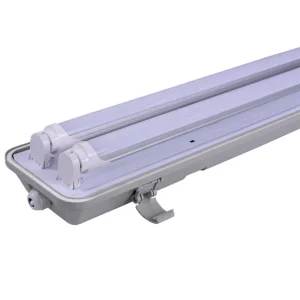
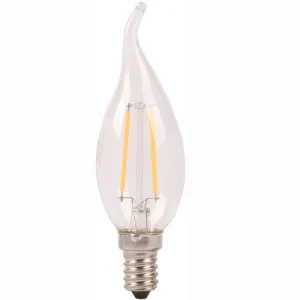
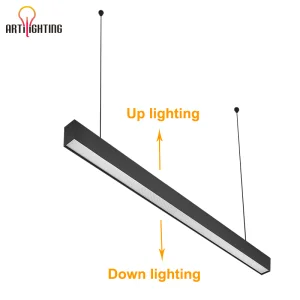
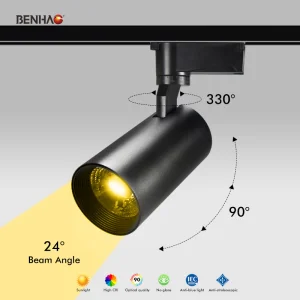
Analyzing global demand, environmental stressors, and standardizations for commercial bathroom and sanitary luminaire deployment.
Bathroom lighting systems operate in high-humidity microclimates with frequent condensation and direct water splashes. Standard dry-rated luminaires quickly fail due to corrosion and electrical short circuits. B2B buyers must demand minimum IP44 ratings for Zone 2 bathrooms and IP65 or higher for wet environments such as shower stalls (Zone 1) to ensure electrical safety and system longevity.
Bath spaces serve as key areas for personal grooming and aesthetics. Poor lighting color rendering indices distort skin tones, cosmetics, and fabric quality. Commercial projects target CRI > 90, with specific emphasis on a high R9 value (>50) for saturated reds, providing realistic rendering for hospitality, high-end residential, and healthcare facility mirrors.
Chemical exposure from soap, cleaning detergents, and humidity degrades raw metals. Premium bath luminaires employ electro-galvanized frames, anodized aluminum alloys, or 316 marine-grade stainless steel with specialized anti-corrosive powder coatings. These prevent oxidation and unsightly rust build-up over years of operation.
When selecting bath and wet-area lighting suppliers, looking purely at the cost per lumen can lead to premature field failures. Insist on testing certificates validating ingress protection (IP class), Salt Spray testing (ASTM B117), and thermal stability tests in high-humidity chambers. A reliable manufacturer must provide raw material traceability and independent laboratory test reports.
Globally, the commercial lighting market is transitioning toward integrated building automation systems. Bath spaces in hospitality and smart commercial buildings are no longer viewed in isolation; they are integrated into DALI-2, Zigbee, or Matter-based central management panels. This integrates lighting with motion sensing, occupant safety systems, and automated luxury scene controls. By linking color-temperature (CCT) shifting drivers with occupancy sensors, operators achieve up to 45% additional energy savings compared to static LED installations.
Furthermore, structural developments in urban zoning and green building codes (like LEED and BREEAM) push developers to select lighting with strict efficacy targets. In bath settings, where lighting is often left running for extended periods in commercial lobbies and retail bathrooms, energy efficiency is vital. Our focus on engineering high-lumen, low-wattage fixtures addresses these codes directly, allowing projects to meet local compliance without sacrificing design aesthetics.
The technological convergence of solid-state lighting, IoT connectivity, and sustainable material sciences.
LED lifespan is directly constrained by the operating temperature of its driver and diode junctions. High humidity environments impede natural convection cooling. Our engineering team resolves this by introducing customized structural heat-sinking with high thermal conductivity (exceeding 220 W/m·K) and vacuum-potted silicon thermal gel drivers. This keeps driver junction temperatures below 65°C even under continuous, enclosed operation, preventing driver-related premature failure modes.
Human-Centric Lighting (HCL) is moving to the forefront of hospitality and master suite designs. By mimicking natural solar transitions, LED bath luminaires dynamically shift color temperature from an energetic 5000K in the morning to a warm, relaxing 2200K at night. This biological synchronization improves sleep-wake cycles and elevates user well-being. Our smart bath fixtures integrate dual-channel CCT mixing drivers that ensure smooth, flicker-free dimming (down to 0.1%) matching the IEEE 1789 standard for health-safe light emission.
Future development roadmaps align with European ErP directives and strict RoHS limits on electronic waste. Future bath lighting ranges must feature modular designs that allow quick, tool-free replacement of internal LED light engines and drivers. This minimizes total carbon footprints by reducing e-waste, supporting circular economic frameworks, and extending fixture housings indefinitely.
Your partner in engineering excellence, high-volume production, and comprehensive OEM/ODM supply chain integration.
Dongguan Luma Bulb Co., Ltd. is committed to the construction of a top-level lighting brand. After years of development, Dongguan Luma Bulb Co., Ltd. has become a professional brand that occupies a distinct place in the lighting industry. The company’s technology research and development team is a leading professional team in China, pushing the boundaries of smart control protocols and high-efficiency luminaire optics.
Dongguan Luma Bulb Co., Ltd. has always been adhering to the professional and honest service core, aiming to connect all business opportunities through unremitting efforts. We supply a wide variety of products to support the growing adoption of energy-efficient LED applications. Providing robust commercial and residential lighting solutions, we strictly adhere to our core values of “quality, integrity”. “Technology innovation” has become our core competitive edge, enabling us to deliver tailor-made lighting architectures to overseas distributors and municipal developers.
Dongguan Luma Bulb Co., Ltd. will always help customers maintain their market advantages, grow together, share valuable structural engineering experience, and serve as an active pioneer in global led lighting marketing and technical sales.
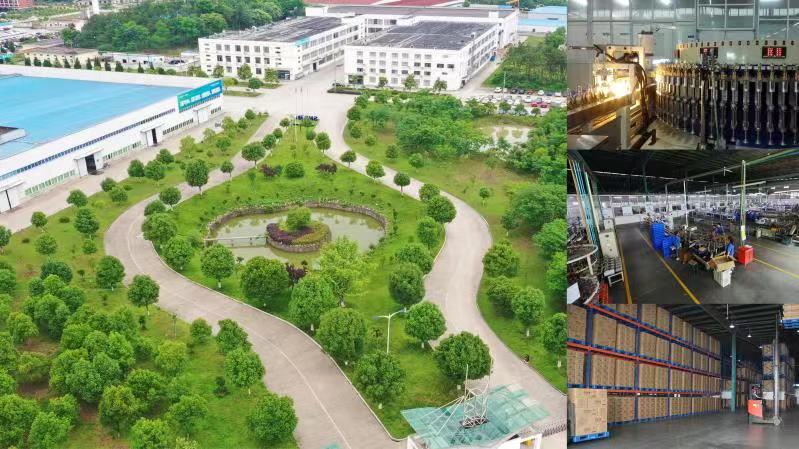
Goniophotometer Testing Labs & Integrating Sphere Quality Assurance
Navigating global electrical and structural safety regulations in wet environments.
Entering international markets requires strict compliance with local safety directives. Because bathroom fixtures operate in proximity to water pipes, grounding, and wet surfaces, they face rigorous scrutiny from regulatory inspectors and construction quality control managers. As an experienced exporter, Dongguan Luma Bulb Co., Ltd. maintains robust testing protocols to ensure seamless market clearance:
Requirements include damp or wet location listing, dielectric strength testing, structural ground continuity, and compliance with the National Electrical Code (NEC) Section 410 for wet environments.
Fixtures must pass LVD (Low Voltage Directive), EMC (Electromagnetic Compatibility), RoHS material checks, and comply with ErP eco-design requirements for energy labeling.
Utilizing CB Scheme test certificates simplifies local safety certifications across Australia, Korea, South America, and the Middle East, expediting customs clearance and project approvals.
Answers to engineering, optical, and logistical questions commonly raised by procurement directors and engineers.
Discover our wider range of high-efficiency industrial, landscape, and smart lighting solutions.
 Luma Bulb