As the world grapples with pressing environmental challenges, the adoption of LED lighting fixtures offers a promising solution. "What are the environmental benefits of using LED lighting fixtures?" This question drives research and innovation in the lighting industry. Experts like Dr. Helen Grant, an environmental scientist, emphasizes the potential impact of LED technology. She states, "Switching to LEDs can drastically reduce our carbon footprint."
LED lights consume up to 75% less energy than traditional bulbs. This significant reduction not only cuts down electricity costs but also decreases greenhouse gas emissions. Furthermore, LED lights have a longer lifespan, resulting in less waste. This is crucial as disposed bulbs can release harmful substances into the environment. Yet, many might still opt for cheaper, less efficient lighting due to initial costs.
The benefits of LED technology extend beyond energy efficiency. They contribute to improved air quality and reduced light pollution. As we continue to explore these LEDs, it's essential to address common misconceptions surrounding their use. Investing in LED lighting can be seen as both an economic and environmental strategy, paving the way toward a sustainable future.
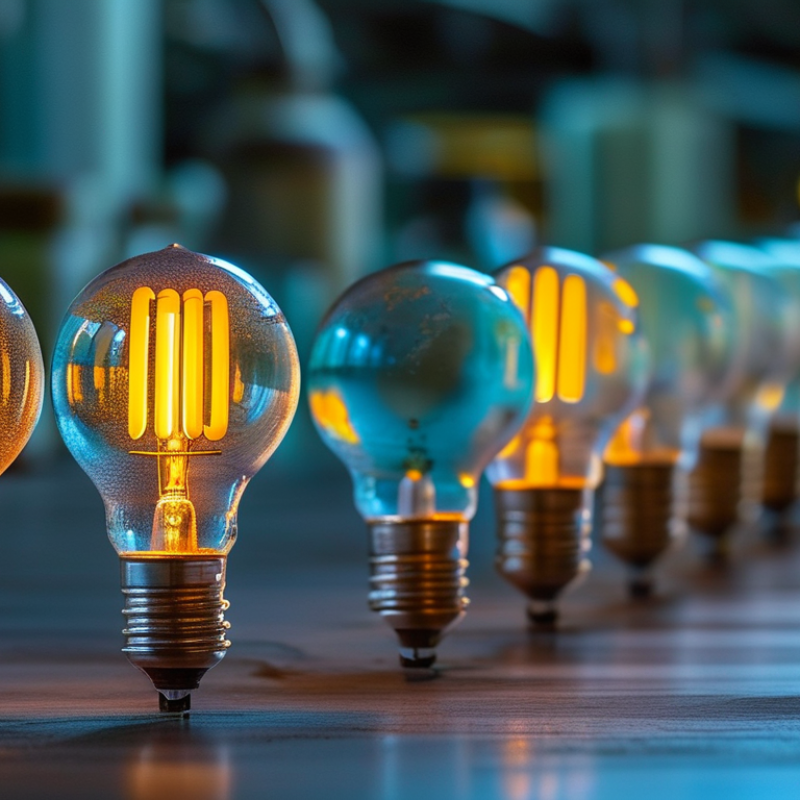
The Energy Efficiency of LED Lighting Compared to Traditional Lights
The shift from traditional lighting to LED fixtures marks a significant advancement in energy efficiency. LEDs use up to 75% less energy than incandescent bulbs. According to the U.S. Department of Energy, LED lighting can last 25 times longer than conventional options. This longevity reduces the need for frequent replacements, minimizing waste.
Moreover, LEDs produce less heat compared to traditional lighting. This efficiency also translates into cost savings on cooling systems in buildings. In commercial spaces, the energy savings can be substantial. The Natural Resources Defense Council reports that widespread LED adoption could cut lighting energy use by up to 50%.
However, challenges still exist. The initial cost of LED fixtures can deter many from making the switch. While they save money over time, upfront expenses require careful consideration. Additionally, not all LED products are created equal. Variations in quality can lead to inconsistent performance. End users should be aware of these discrepancies before investing in a complete transition.
Reduction of Carbon Footprint Through LED Technology
The shift to LED lighting technology offers significant reductions in carbon emissions. According to the U.S. Department of Energy, switching to LED lighting can reduce energy consumption by up to 75% compared to traditional incandescent bulbs. This decrease translates into a substantial drop in greenhouse gas emissions, providing a clearer path towards environmental sustainability.
LEDs consume less electricity, which means fewer fossil fuels are burned in energy generation. A 2021 report from the International Energy Agency estimates that widespread adoption of LEDs could prevent the emission of over 1.5 billion tons of carbon dioxide by 2030. This figure highlights the powerful impact of efficient lighting on climate change mitigation.
However, despite these benefits, many households and businesses still resist making the switch. Some cite higher upfront costs, while others hesitate due to unfamiliarity with technology. Education on the long-term savings and environmental benefits is crucial. Making informed decisions about lighting can significantly contribute to reducing our collective carbon footprint. Embracing LED technology is not just a trend—it's an essential step towards a sustainable future.
Minimizing Light Pollution with LED Lighting Solutions
Light pollution has become a pressing issue in urban areas. Excessive artificial light disrupts ecosystems, impacts human health, and obscures our view of the night sky.
LED lighting solutions offer a compelling path to minimize this problem. By directing light where it is needed, LEDs can significantly reduce skyglow and glare.
A study by the International Dark-Sky Association revealed that 30% of outdoor lighting is unnecessary. Switching to LED fixtures can cut this excess light by over 50%. This means fewer bright lights shining into homes and natural habitats. Subsequently, wildlife can thrive without the constant disruption of artificial light. Moreover, LEDs emit less blue light, which has been shown to affect both human circadian rhythms and animal behavior.
Tips: Choose LED fixtures with adjustable brightness. This allows for customization based on activity levels and times of day. Use smart sensors to limit light use when it's not needed.
Reducing unnecessary lighting not only helps minimize pollution but can also lead to significant energy savings.
Remember, we may still face challenges in transitioning to LED systems. Some areas continue to use outdated lighting technologies.
Educating communities about the benefits of LED solutions is essential. Collecting data on current light levels can also guide improvements. Addressing these issues evolves into a collaborative effort for a healthier environment.
Longevity and Waste Reduction of LED Fixtures in Landfills
LED lighting fixtures have gained popularity due to their longevity and sustainability. They have an average lifespan of 25,000 to 50,000 hours, significantly outlasting traditional incandescent bulbs, which last only about 1,000 hours. This durability means fewer bulbs need to be produced and replaced over time. As a result, the waste generated from lighting fixtures is considerably reduced. According to the U.S. Department of Energy, widespread use of LED lighting could potentially save up to 348 TWh of electricity by 2027, leading to less waste and a lower carbon footprint.
Moreover, LED fixtures contribute to landfill waste reduction. Traditional incandescent and CFL bulbs contain hazardous materials that require special disposal. On the other hand, the majority of LED components are recyclable. Approximately 70% of an LED's material can be reused. A study from the Global Lighting Association estimated that if LED fixtures replace older lighting, over 700 million pounds of waste could be avoided in the long term.
However, the transition to LED isn't without challenges. A significant number of older lighting systems still exist, contributing to ongoing waste issues. Public awareness and end-of-life management must improve. Improper disposal can negate the environmental benefits of LED technology. Continuing education and better recycling programs are essential to maximize the environmental gains from LED fixtures.
Positive Impacts of LEDs on Wildlife and Ecosystems
LED lighting fixtures offer significant benefits to wildlife and ecosystems. These lights reduce light pollution, allowing animals to thrive. Many species depend on natural light patterns. Disruptions can lead to altered behaviors, such as mating and feeding.
Birds, for example, rely heavily on the moon and stars for navigation. Artificial light from traditional bulbs can confuse them. In contrast, LED lights can be designed to emit wavelengths that are less distracting. Their lower brightness helps minimize the effects on wildlife.
However, there are challenges. Not all LED lights are environmentally friendly. Some still generate harmful light pollution. It’s crucial to choose properly designed LED fixtures. Understanding the impact on local fauna is essential for eco-conscious decisions. Awareness and careful selection can enhance the positive effects of LEDs on nature.
Top 10 Environmental Benefits of LED Lighting Fixtures
FAQS
: LEDs use up to 75% less energy than incandescent bulbs.
LEDs can last 25 times longer than conventional lighting options.
LEDs produce less heat, aiding in cooling system savings.
Widespread LED adoption could cut lighting energy use by up to 50%.
The initial cost of LED fixtures can deter many potential users.
No, variations in quality can lead to inconsistent performance.
Switching to LEDs can significantly reduce greenhouse gas emissions.
Higher upfront costs and unfamiliarity with the technology are common barriers.
Understanding long-term savings and environmental benefits helps drive informed decisions.
No, it is an essential step towards environmental sustainability.
Conclusion
LED lighting fixtures offer numerous environmental benefits that significantly contribute to sustainability. One major advantage is their energy efficiency compared to traditional lighting options, which leads to a substantial reduction in energy consumption and lowers greenhouse gas emissions. This shift not only helps in minimizing carbon footprints but also plays a crucial role in combating climate change.
Additionally, LED technology addresses the issue of light pollution by providing more focused lighting and reducing glare, which benefits both humans and wildlife. Their longevity reduces waste generation in landfills, as LEDs last significantly longer than conventional lights. Furthermore, the positive impacts of LEDs extend to ecosystems, helping to preserve wildlife habitats. In summary, what are the environmental benefits of using LED lighting fixtures? They include enhanced energy efficiency, reduced carbon emissions, minimized light pollution, extended lifespan leading to waste reduction, and supportive ecosystems.

 Luma Bulb