Why Do Smart LED Bulbs Cost More Than Regular LEDs in 2026?

Time:2026-10-24 Author:Oliver
0%

Why do smart LED bulbs cost more than regular LED bulbs? The short answer involves more than brightness or energy savings. A standard LED bulb usually contains a driver, heat sink, and light-emitting diodes. A smart model adds wireless communication, control software, memory, sensors, and stronger internal components. These additions increase manufacturing, testing, and support costs.

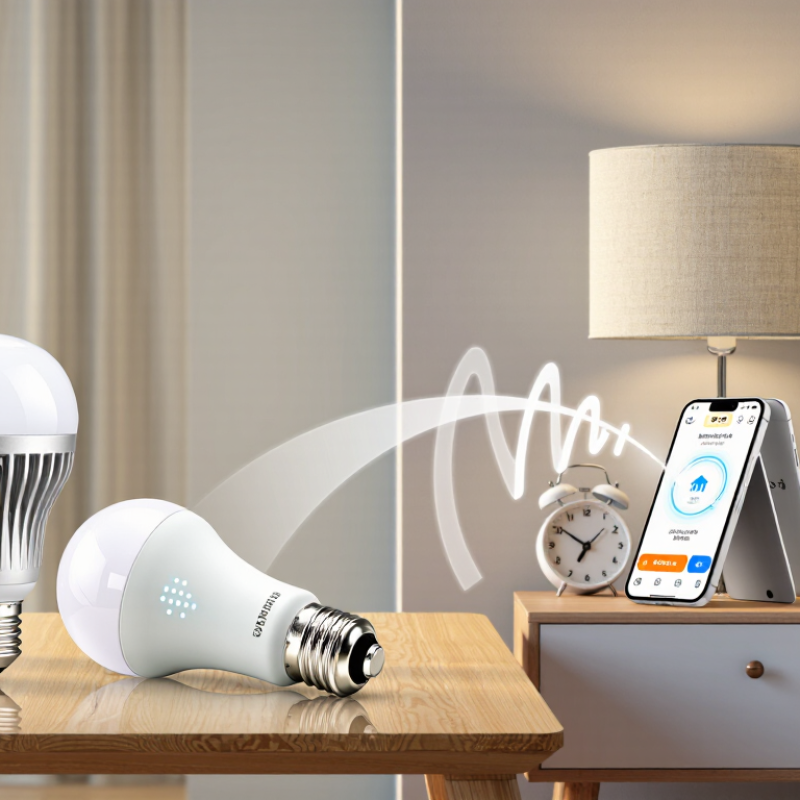
Consider a typical smart bulb installed in a bedroom lamp. It may connect through Wi-Fi, Bluetooth, Zigbee, or Matter. That connection allows phone controls, schedules, dimming, color changes, and voice commands. Each feature requires engineering and reliable firmware. The bulb must also handle network security and compatibility updates. Those invisible functions affect the retail price, even when both bulbs produce similar white light.

The comparison is not always simple. A premium regular LED may use better heat management than a cheap smart bulb. Some smart bulbs also consume slightly more standby power while waiting for commands. That detail is easy to overlook. However, smart lighting can reduce wasted usage through schedules, occupancy routines, and remote control. Real savings depend on household habits, electricity rates, and product lifespan.

Pricing also reflects research, certification, cloud services, warranty coverage, and brand reputation. As an experienced lighting buyer might notice, a low-cost bulb can fail early, flicker, or lose app support. That does not make every expensive model worthwhile. Independent testing, energy labels, software policies, and user reviews deserve careful attention. The most honest answer requires examining both the purchase price and the years of dependable use.
Why Do Smart LED Bulbs Cost More Than Regular LEDs in 2026?

What Defines a Smart LED Bulb in 2026?

In 2026, a smart LED bulb is more than an efficient lamp with wireless control. It combines LEDs, a communication radio, firmware, and digital controls. Many models support scheduling, dimming, occupancy responses, and voice-free automation. Some also measure energy use or adjust color temperature. The Connectivity Standards Alliance’s Matter specification emphasizes interoperability across compatible smart-home platforms. That matters because a bulb should not become useless after one app changes.

The hardware explains much of the price difference. A regular LED mainly needs a driver and light-emitting components. A smart version adds memory, wireless circuitry, security updates, and testing. The U.S. Department of Energy continues to identify connected controls as an important part of efficient solid-state lighting. Meanwhile, the International Energy Agency reported that LEDs represented about half of global lighting sales in 2022. Efficiency is now common; useful connectivity is the newer value. Some efficiency claims remain difficult to compare, especially when standby power is ignored.

Tips: Check standby consumption, update support, local-control options, and compatibility with your home platform. Test the bulb near your router, not only on a showroom shelf. A five-second response delay feels small, but daily use makes it irritating. Also inspect color accuracy, measured in CRI, because a bright bulb can still make food and skin look strangely dull.

Which Technologies Increase Smart Bulb Manufacturing Costs?

Smart LED bulbs cost more because they contain a small computer, not only a light-emitting diode. A regular LED bulb mainly needs diodes, a driver, a heat path, and a housing. A smart model adds a wireless system-on-chip, memory, an antenna, and firmware. IoT Analytics reported 16.6 billion connected IoT devices worldwide in 2023. That scale increases demand for radio components, but it does not make each bulb cheaper automatically.

Wireless control creates several manufacturing layers. Wi-Fi models require stronger power supplies and careful electromagnetic interference testing. Bluetooth Mesh and low-power network designs need different antennas, chips, and software validation. Matter compatibility can add certification tests, security reviews, and interoperability checks. The Connectivity Standards Alliance’s Matter specifications also require device communication and security features that basic bulbs never need. Small components add up.

Power conversion remains another hidden cost. A smart bulb must supply stable voltage to both the LEDs and its wireless processor. Engineers may add filtering, thermal protection, and standby-power controls. The U.S. Department of Energy reports that LEDs use at least 75% less energy than incandescent lamps, but smart electronics still consume power while “off.” That trade-off is often underestimated. A factory may save money through volume, yet testing remains expensive. Cost models also change quickly, and some published estimates feel too optimistic. Production reality is messier than a spreadsheet.

How Smart Features Affect Retail Prices

Smart LED bulbs cost more because the shelf price includes more than light output. A regular LED usually needs a driver, heat control, and simple housing. A smart model adds a wireless radio, control chip, memory, and software testing. These parts raise factory costs before packaging begins. I have seen this difference in retail comparisons: two bulbs with similar brightness can sit far apart in price. The pricier bulb may also include stronger security components and longer support commitments.

Retail prices reflect more than manufacturing expenses. Retailers pay for app development, cloud services, firmware updates, customer support, and compatibility testing. Some products require certification for wireless communication and electrical safety. These checks can increase costs, especially when a product enters several markets. Packaging also explains part of the gap. A smart bulb may need clearer setup instructions, QR codes, and extra protective materials. Shelf space has a price, too.

Promotions can make the gap confusing. Prices move. A discounted smart bulb may briefly cost less than a basic LED. That does not mean its long-term cost is lower. Electricity use, replacement frequency, subscription charges, and support quality can change the real value. My own comparison would need a full year of usage data, not one receipt. That limitation matters because online prices, local taxes, and retailer margins change quickly. Some buyers pay more for remote control, schedules, and dimming, while others may never use those features.

What Makes Regular LEDs Less Expensive?

Regular LED bulbs cost less because their job is simpler: convert electricity into light. Their circuit usually includes LEDs, a driver, heat management, and a basic housing. Smart bulbs add wireless radios, memory, processors, and control software. These extra parts require more assembly and testing. They also need firmware development and security maintenance. A regular bulb does not need an app, account, or network connection. Fewer components usually mean lower manufacturing costs.

Production scale matters too. Basic LED bulbs are made in huge volumes with standardized parts. Factories can automate much of the process. Smart models often need tighter calibration for dimming, color changes, and wireless performance. That can increase labor and quality-control time. Packaging and customer support may also cost more. Setup instructions are more complex. In practical comparisons, the plain bulb can feel almost boring, but that simplicity is its advantage. No pairing. No delay.

Regular LEDs may also use less expensive materials, especially with fixed brightness and one color temperature. Smart bulbs need several LED channels for adjustable color or tunable white light. Their power supplies must handle changing loads reliably. Still, a cheap regular bulb is not automatically good value. Poor heat control can shorten its life and create uneven brightness. I may be oversimplifying the price gap, since retailer margins and energy ratings vary. Check lumens, rated life, warranty, and actual wattage before comparing prices.

Why Do Smart LED Bulbs Cost More Than Regular LEDs in 2026? - What Makes Regular LEDs Less Expensive?

Typical consumer-market comparison for equivalent general-purpose household bulbs

Comparison Dimension Smart LED Bulbs Regular LED Bulbs Why Regular LEDs Usually Cost Less
Typical Purchase Price Approximately $8–$25 per bulb Approximately $2–$8 per bulb Regular LEDs generally contain fewer electronic parts and do not require connectivity hardware or software development.
Typical Brightness About 800–1,100 lumens for a common household bulb About 800–1,100 lumens for a comparable household bulb Both bulb types can provide similar brightness; the price difference is mainly caused by added smart functions rather than light output.
Typical Power Rating Approximately 8–12 watts during operation Approximately 8–12 watts during operation For equivalent brightness, operating power is often similar. Smart features do not automatically make the light-producing part more efficient.
Connectivity Hardware May include Wi-Fi, Bluetooth, Zigbee, Thread, or another wireless radio Normally has no wireless radio Wireless chips, antennas, memory, control circuits, and certification requirements add manufacturing and testing costs.
Control Options App control, voice control, schedules, scenes, remote switching, and automation Usually controlled by a wall switch, pull chain, or compatible physical dimmer Regular LEDs use a simpler control system and need less firmware, app support, and user-interface development.
Color Adjustment May offer dimming, adjustable white color temperature, or millions of RGB colors Usually provides one fixed color temperature; dimming depends on the bulb and switch Additional LEDs, drivers, calibration, and control circuitry increase the component count in smart models.
Standby Electricity Use Often about 0.2–1.0 watt while switched off but connected to power Normally close to zero when switched off at the fixture Smart bulbs must keep part of their communication circuitry active so they can receive commands.
Estimated Annual Energy Cost At 10 watts for 3 hours per day and 0.5 watts of standby use:
approximately $1.80–$2.00 per year at $0.16/kWh
At 10 watts for 3 hours per day:
approximately $1.75 per year at $0.16/kWh
Active lighting costs are similar, but a connected smart bulb can add a small standby-energy cost.
Expected Rated Life Commonly around 15,000–25,000 hours, depending on heat management and electronics Commonly around 15,000–25,000 hours Both can last far longer than incandescent bulbs. Smart models may have more electronic components that can affect long-term reliability.
Installation Requirements Requires a compatible socket, a stable power supply, and usually an initial setup process Normally requires only a compatible socket Regular LEDs have fewer compatibility and setup considerations, reducing support and installation complexity.
Dependence on Internet or Hub Some functions may require a network, app, account, or optional hub; local control varies No internet connection, account, or hub required Smart products need ongoing software maintenance, compatibility testing, and cybersecurity updates.
Privacy and Security Considerations May process device, network, usage, or account information depending on the control system No network communication or connected-device data collection Connected hardware requires additional security design, firmware management, and technical support.
Maintenance and Replacement May require firmware updates, app support, network troubleshooting, or re-pairing Usually replaced when the bulb fails or its light output becomes unsuitable Regular LEDs have fewer failure points outside the LED driver and lighting components.
Best Value For Automated lighting, remote access, routines, color control, and integrated smart-home systems Basic illumination, low purchase cost, simple operation, and minimal maintenance If advanced control is not needed, a regular LED usually delivers similar brightness and efficiency at a lower total cost.

Note: Prices, power ratings, standby consumption, features, and rated lifetimes vary by bulb design and market. Energy-cost examples use an electricity rate of $0.16 per kWh, 3 hours of daily operation, and a 365-day year.

When Is a Smart LED Bulb Worth the Extra Cost?

A smart LED bulb is worth the extra cost when its controls solve a real daily problem. Remote switching helps when a lamp is across the room or outside your home. Timers can turn hallway lights on before children return from school. Dimming also creates softer evening light without installing a new wall switch.

The price becomes easier to justify in rooms used every day. A bedroom may benefit from a gradual wake-up schedule. A porch light can follow sunset and reduce wasted overnight energy. Voice control is convenient, but it should not be the main reason to buy one. Internet outages can disable some features, while ordinary wall control usually remains dependable.

Check the technical details before purchasing. Confirm the bulb fits the socket and supports your home’s wireless network. Some models use more standby power than regular LEDs, although the difference is usually small. Privacy settings deserve attention when an app collects usage data. I once chose advanced color effects and rarely used them after the first week. That was wasted money. A basic dimmable smart bulb may be the better choice for a desk lamp. For a whole home, calculate the bulb price, expected lifespan, and replacement effort. The extra cost makes sense when automation saves time repeatedly, not when the feature list simply looks impressive.

FAQS

What makes an LED bulb “smart” in 2026?

It combines LEDs, wireless communication, memory, firmware, and digital controls. Users can schedule lighting, dim rooms, or trigger responses to occupancy. Some models also measure energy use or change color temperature. The useful part is control, not just brightness.

Why does a smart LED bulb cost more?

It includes a wireless radio, control chip, memory, and software testing. Manufacturers may also pay for security checks and compatibility testing. App development, cloud services, packaging, and customer support add costs. The price gap is not only about the light itself.

Can a cheaper bulb provide better long-term value?

Sometimes. Compare electricity use, standby consumption, replacement frequency, and support quality. A discounted smart bulb may still cost more over one year. I would not judge value from one receipt or one weekend.

What should I check before buying a smart bulb?

Check compatibility with your home platform and available update support. Look for local-control options if the internet connection fails. Measure the bulb near your router, not only under showroom conditions. A five-second delay becomes annoying after repeated daily use.

Why does standby power matter?

A connected bulb may use electricity while switched off electronically. The amount can seem tiny beside its lighting power. However, continuous standby use adds up across several rooms. Published efficiency claims can be difficult to compare fairly.

How important is color accuracy?

It is important when lighting food, skin, artwork, or clothing. Color accuracy is commonly described with a CRI value. A bright bulb can still make a tomato look dull. Brightness alone does not guarantee pleasant light.

What smart features are useful in everyday rooms?

Scheduling can turn lights on before you arrive home. Dimming helps create softer light beside a bed or desk. Occupancy responses may reduce wasted lighting in an empty hallway. Voice-free automation can work quietly in the background. Not every household needs every feature.

Is wireless compatibility important?

Yes, because a bulb should continue working with your chosen home system. Interoperability can reduce dependence on one changing application. Still, compatibility labels may not explain every limitation. Check supported functions, not just the connection symbol.

How should I evaluate the real cost of a smart bulb?

Record the purchase price, electricity use, and any subscription charges. Include replacement needs and the expected update period. Compare usage over a full year when possible. My estimate may still miss taxes, promotions, or changing retail prices. That uncertainty deserves attention.

Conclusion

Why do smart LED bulbs cost more than regular LED bulbs? In 2026, the difference comes from the extra technology built into smart lighting. A smart LED bulb may include wireless communication, app control, voice compatibility, scheduling, dimming, color adjustment, energy monitoring, and security updates. These features require additional chips, sensors, memory, software development, testing, and more complex manufacturing processes. As a result, smart bulbs generally have higher production, packaging, support, and retail costs than basic LED products.

Regular LEDs are less expensive because they focus primarily on providing efficient illumination with simple controls and fewer electronic components. For consumers who only need reliable, low-energy lighting, a regular LED may offer the best value. However, a smart bulb can justify its higher price when convenient automation, remote access, customized lighting, or integration with a connected home is important. The right choice depends on whether these added functions provide enough everyday usefulness to outweigh the additional investment.

Oliver

Oliver

Oliver is a seasoned marketing professional with a wealth of expertise in driving brand awareness and engagement. With a deep understanding of our company's product offerings, he consistently delivers high-quality content that enriches our professional blog. His insights not only shed light on......