Decorative LED lights have become more than simple sources of brightness. They shape atmosphere, highlight architectural details, and give ordinary rooms a personal identity. A warm LED strip beneath a kitchen cabinet can soften hard surfaces, while a small pendant above a reading chair can create a quiet focal point. What Is the Role of Decorative LED Lights in Home Design? Their role is both practical and emotional. They improve visibility, guide attention, and influence how a room feels at different times of day.
How do decorative LED lights add character to a home? They add character through color, placement, texture, and contrast. A dim amber glow can make exposed brick feel warmer. A cool white line can make glass shelves appear cleaner and more modern. In real homes, the best results often come from restrained use rather than excessive brightness. Small changes matter. Professional lighting practice also considers color rendering, glare, heat, energy use, and installation quality. Choosing products with reliable safety certifications and suitable controls helps reduce avoidable risks. Still, no lighting plan is perfect. A beautiful fixture may cast unwanted shadows, or a fashionable color may become tiring after several weeks. Personal habits, room size, wall colors, and existing daylight must be considered carefully. This article explores how decorative LED lights support comfortable, expressive, and adaptable home design, while acknowledging that effective lighting depends on both technical judgment and lived experience.
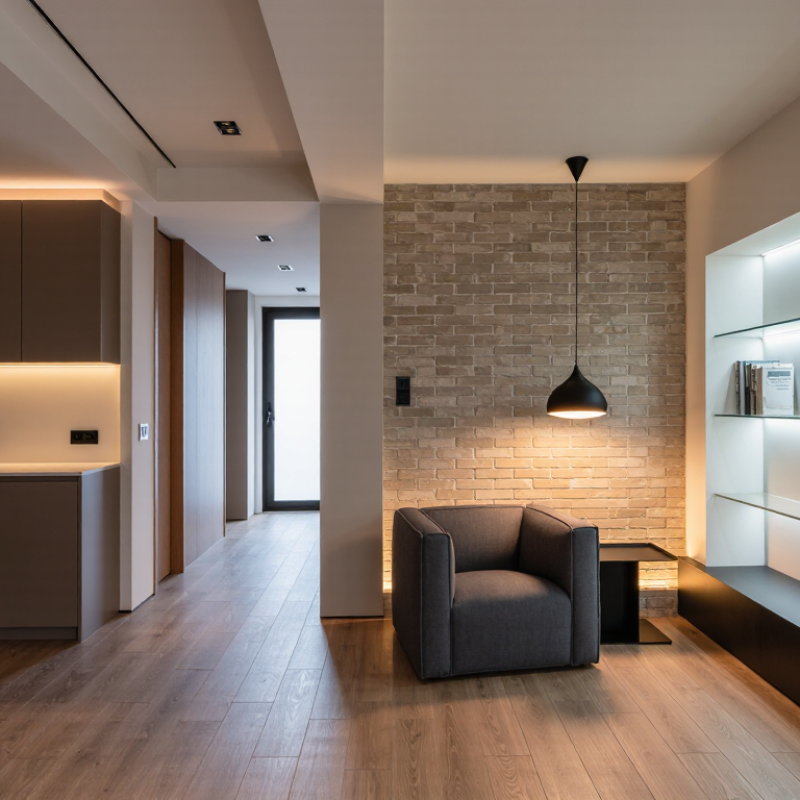
Decorative LED lights are low-energy fixtures designed to shape atmosphere, highlight details, or add visual rhythm. Unlike task lighting, they do not mainly support reading, cooking, or precise work. They may appear as narrow strips beneath cabinets, flexible strings around mirrors, puck lights inside shelving, or pendants above a dining table. Each type creates a different effect. Strip lights produce continuous lines, while puck lights create focused pools of brightness.
LEDs are semiconductor light sources. They generate light efficiently and produce less heat than traditional incandescent lamps. The U.S. Department of Energy reports that residential LEDs use at least 75% less energy and can last up to 25 times longer than incandescent bulbs. That difference matters in concealed ceiling channels or high stairwells, where frequent replacement is inconvenient. The DOE’s Solid-State Lighting research also highlights continuing improvements in efficacy, color quality, and controllability.
Good design depends on restraint. A warm 2,700–3,000 kelvin tone can soften a bedroom or wood cabinet. A higher color temperature may feel sharper in a work area. Check the color rendering index before illuminating paintings, fabrics, or food. For bathrooms and outdoor areas, select suitable moisture protection ratings. Smart controls can dim or change color, but complicated settings sometimes reduce daily use. I have found that one hidden strip, aimed at a wall rather than the viewer, often feels more refined than several exposed lamps.
More light is not always better.
Decorative LED lights strongly influence how a home feels after sunset. In my experience, warm white light creates a calmer and more welcoming atmosphere. It works well near sofas, wooden furniture, and dining areas. Warm light softens corners. Cooler light can make a room feel cleaner and more energetic. However, excessive cool light may feel harsh in bedrooms or relaxing spaces.
Layered lighting usually produces a more natural atmosphere than one bright ceiling fixture. A wall-mounted light can add gentle depth behind a shelf. Small lights under cabinets can make kitchen surfaces easier to use. A dimmer also helps the room change with daily activities. Experts commonly consider color temperature, brightness, glare, and color rendering when planning indoor lighting. High color rendering can help fabrics and artwork appear closer to their natural colors.
Placement requires practical testing, not only attractive photographs. I often suggest switching lights on at night and viewing them from seated positions. Reflections on glass or polished tables may become distracting. The result is not always perfect. Some decorative lights look beautiful but provide too little useful illumination. Others create bright spots that disturb the room’s balance. Keep cables secured, allow ventilation around fixtures, and follow local electrical safety guidance. A simple adjustment in height or brightness can change the atmosphere more than adding another light.
Decorative LED lights shape how a home feels, not just how it looks. In living rooms, warm wall lights can soften hard furniture lines and create a relaxed evening setting. A slim floor lamp beside a reading chair adds focus without filling the room. I have found that indirect light usually feels more comfortable than exposed bulbs.
Bedrooms benefit from gentle lighting near headboards, shelves, or dressing areas. Soft amber tones can support a calmer bedtime routine, while adjustable brightness prevents glare on mirrors and glossy surfaces. In kitchens, small LED strips under cabinets improve visibility along worktops. They also highlight tile textures and open shelving. However, too many lights can make a kitchen feel busy. This is easy to overlook.
Tips: Match light color to the room’s purpose. Use warmer tones for bedrooms and lounges, and clearer light for food preparation. Hide cables carefully, keep fixtures away from water, and check heat protection before installation. Dimmers provide useful control, especially in multifunctional spaces. In hallways, low-level LEDs can guide movement at night without disturbing nearby rooms. Bathrooms need moisture-suitable fixtures and balanced lighting around mirrors. Outdoor-facing windows also deserve attention, because reflective surfaces can exaggerate brightness. A thoughtful plan leaves some shadows. Perfect brightness is not always better.
| Residential Space | Primary Decorative Application | Recommended LED Format | Typical Color Temperature | Suggested Brightness or Power Range | Design Role | Practical Considerations |
|---|---|---|---|---|---|---|
| Living Room | Accenting artwork, shelving, media walls, coves, curtains, and architectural details | Indirect LED strips, wall washers, recessed accent fixtures, and dimmable decorative lamps | 2,700–3,000 K | Approximately 4–10 W per linear metre for accent strips; use dimming for layered control | Creates a warm focal point and adds depth without making the room visually crowded | Use diffusers or concealed installation to reduce glare. Decorative lighting should complement, rather than replace, general room lighting. |
| Dining Room | Highlighting the dining table, pendant features, wall niches, and display cabinets | Dimmable pendants, linear LED fixtures, cabinet lighting, and concealed cove strips | 2,700–3,000 K | Approximately 8–15 W per linear metre for concealed strips; pendant output depends on ceiling height and table size | Defines the dining zone and supports an intimate atmosphere during meals | Choose high color rendering, preferably CRI 90 or higher, so food, tableware, and finishes appear more natural. |
| Kitchen | Illuminating toe-kicks, open shelves, glass cabinets, and island features | Aluminum-profile LED strips, under-cabinet decorative strips, and recessed shelf lights | 3,000–4,000 K | Approximately 8–14 W per linear metre for cabinet or shelf accents | Adds visual layering and separates work zones through subtle lines of light | Keep decorative lights away from direct water exposure unless the product has an appropriate ingress-protection rating. Use separate controls for task lighting. |
| Bedroom | Backlighting headboards, wardrobes, bedside niches, mirrors, and ceiling coves | Low-glare LED strips, dimmable bedside fixtures, and concealed indirect lighting | 2,200–2,700 K | Approximately 3–8 W per linear metre for soft ambient accents | Supports relaxation, improves nighttime ambience, and creates a calm visual rhythm | Select low-brightness settings and warm color temperatures. Avoid exposed high-intensity LEDs in the direct line of sight. |
| Bathroom | Framing mirrors, highlighting niches, under-vanity areas, and decorative wall details | Moisture-resistant LED strips, mirror backlighting, and recessed niche lighting | 3,000–4,000 K | Approximately 5–10 W per linear metre for mirror or niche accents | Enhances material textures and provides a clean, spa-like atmosphere | Select luminaires with an IP rating suitable for their installation zone. Decorative lighting does not replace code-compliant bathroom task lighting. |
| Hallway and Staircase | Marking stair edges, emphasizing wall panels, and guiding movement along corridors | Low-level step lights, recessed wall lights, skirting-board strips, and handrail lighting | 2,700–3,000 K | Approximately 1–5 W per fixture or 3–8 W per linear metre for guidance lighting | Improves orientation and adds a continuous architectural line through transitional areas | Use motion or occupancy sensors where appropriate. Keep light levels consistent to reduce glare and abrupt contrast. |
| Home Office | Backlighting bookshelves, highlighting wall art, and outlining desks or storage units | Indirect LED strips, adjustable accent lights, and dimmable decorative wall fixtures | 3,000–4,000 K | Approximately 4–8 W per linear metre for shelf or backdrop accents | Creates a professional background and adds visual interest without dominating the workspace | Use flicker-controlled products and position decorative sources away from screens to limit reflections. |
| Children’s Room | Decorating shelves, beds, reading corners, and themed wall features | Fully enclosed LED strips, low-voltage night lights, and dimmable decorative fixtures | 2,700–3,000 K | Approximately 2–6 W per linear metre for low-level accents | Encourages personalization and provides gentle orientation lighting at night | Use secure cable management, shatter-resistant components, low surface temperatures, and child-safe controls. |
| Entryway and Foyer | Highlighting mirrors, consoles, artwork, coat storage, and ceiling details | Wall washers, concealed strips, decorative pendants, and backlit mirrors | 2,700–3,000 K | Approximately 5–12 W per linear metre for concealed accent lighting | Creates a strong first impression and visually establishes the home’s design language | Combine decorative lighting with general illumination so circulation areas remain safe and evenly readable. |
| Balcony and Covered Patio | Outlining railings, planters, seating areas, and exterior architectural features | Outdoor-rated LED strips, festoon-style decorative fixtures, and low-voltage landscape accents | 2,700–3,000 K | Approximately 2–8 W per linear metre for low-level outdoor accents | Extends the living atmosphere outdoors and defines edges after dark | Use outdoor-rated equipment, weather-protected connections, and suitable IP protection. Avoid excessive brightness that causes glare to neighbors. |
Decorative LED lights shape atmosphere, comfort, and visual rhythm in a home. Choosing them requires more than matching a fixture to furniture. Consider the room’s size, ceiling height, wall color, and daily use. Warm white light can soften bedrooms and dining areas. Neutral white often suits kitchens, studies, and bathrooms. Check the color rendering index when artwork, wood, or textiles must look natural. A higher rating usually produces more accurate colors.
Tips: Measure the space before buying. Compare brightness in lumens, not appearance alone. Select dimmable lights only when the dimmer and fixture are compatible. Test the light at night, because showroom brightness can mislead. Avoid placing bare LEDs directly at eye level. Their glare may quickly become tiring.
Layering also improves control. Use decorative pendants for focus, wall lights for depth, and concealed strips for gentle background illumination. In my experience, repeated shapes create a calmer room than many unrelated fixtures. Still, restraint is difficult. A beautiful lamp can dominate a small corner or make a low ceiling feel crowded. Leave room around statement pieces. Check heat management, cable placement, cleaning access, and moisture protection before installation. Wet areas require suitable ingress protection ratings. Smart controls may add convenience, but complicated settings can frustrate residents. A manual switch should remain practical. Test samples against the actual walls and furnishings before committing, since light color can change dramatically across materials.
Decorative LED lights shape a room’s mood without demanding much electricity. In my experience, a warm strip beneath a shelf can make wood textures feel softer and more welcoming. LEDs usually consume less energy than traditional decorative bulbs, but efficiency still depends on brightness, operating hours, and the power adapter. Small choices matter. Use timers or dimmers when suitable, and switch lights off when the room is empty. Leaving them on all night weakens the energy-saving benefit.
Safety deserves equal attention. Keep cords away from heaters, sinks, and walking paths. For bathrooms, balconies, or other damp areas, choose lighting designed for moisture exposure. Never cover a power supply with fabric or place it under a rug, because trapped heat may become dangerous. Check for frayed wires, loose connections, or unusual smells. I once ignored a flickering connection during a room update; it was a poor decision and an avoidable warning.
Tips: Dust LED surfaces gently with a dry microfiber cloth. Unplug the lights before cleaning or repositioning them. Check adapters every few months. Replace damaged parts instead of improvising repairs. Avoid overcrowding one outlet, even when each light seems low-powered. Some adhesive strips also lose strength over time, so secure heavier fixtures mechanically. Maintenance is easy to overlook. That is precisely why a simple inspection should become part of the design routine.
They shape mood, highlight details, and create visual rhythm. They are not mainly for reading or precise work.
Strip lights create continuous lines beneath cabinets or shelves. String lights frame mirrors, while puck lights create small pools of brightness.
Warm white, around 2,700–3,000 kelvin, softens bedrooms and wooden furniture. Neutral white often suits kitchens, studies, and bathrooms.
Hide the light source when possible. Aim strips toward walls, not directly toward viewers. Bare LEDs at eye level can become tiring.
Compare brightness using lumens, not appearance alone. Choose a high color-rendering rating for artwork, food, fabrics, and natural wood.
They can use at least 75% less energy than traditional incandescent bulbs. Their savings depend on brightness, operating hours, and the adapter.
Keep cords away from heaters, sinks, rugs, and walking paths. Never cover power supplies with fabric. Damp areas need suitable moisture protection ratings.
Unplug them before cleaning. Wipe surfaces with a dry microfiber cloth, and inspect adapters every few months. Small checks matter.
Dimming and color changes can help, but complicated settings may discourage daily use. Keep a practical manual switch. I learned this late.
Do not overcrowd one outlet or rely only on weak adhesive for heavy fixtures. Leave cleaning access and check heat management before installation.
Decorative LED lights are versatile lighting elements designed to enhance both the appearance and atmosphere of a home. They include string lights, strip lights, wall fixtures, pendant styles, and small accent lamps, each offering different levels of brightness, color, and visual impact. How do decorative LED lights add character to a home? They create warmth, highlight architectural features, emphasize artwork, and introduce personal style through carefully chosen colors, shapes, and placement. Their soft glow can make a room feel more welcoming, while adjustable colors and brightness support different moods and activities.
These lights can be used in living rooms, bedrooms, kitchens, dining areas, hallways, balconies, and outdoor residential spaces. When choosing decorative LED lighting, homeowners should consider room size, lighting purpose, color temperature, installation method, and how well the design matches existing décor. LED lights are also energy-efficient and long-lasting, but safe installation, suitable power supplies, proper ventilation, and regular cleaning are important. Following usage instructions and checking connections helps maintain reliable performance and a comfortable home environment.

Luma Bulb