When it comes to illuminating outdoor spaces, the decision to switch to LED lighting fixtures is a significant one. Experts like John Smith, a renowned lighting consultant, emphasize the importance of this transition. He states, "Upgrading to LED lights not only enhances visibility but also promotes energy efficiency." This shift can transform gardens, patios, and pathways, making them safer and more inviting.
Why should you switch to LED lighting fixtures for outdoor spaces? The answer lies in their numerous benefits. LEDs consume less energy compared to traditional bulbs. They last significantly longer, reducing the frequency of replacements. Furthermore, LED lights produce little heat, minimizing the risk of fire hazards. For residential and commercial spaces alike, this upgrade can lead to cost savings over time.
However, not all LED fixtures are created equal. Some may not provide the desired brightness or color temperature. It's essential to choose the right type for your needs. In the end, the decision to transition can lead to a brighter, more secure environment while being environmentally friendly. Embracing LED technology is a step towards a more sustainable future.
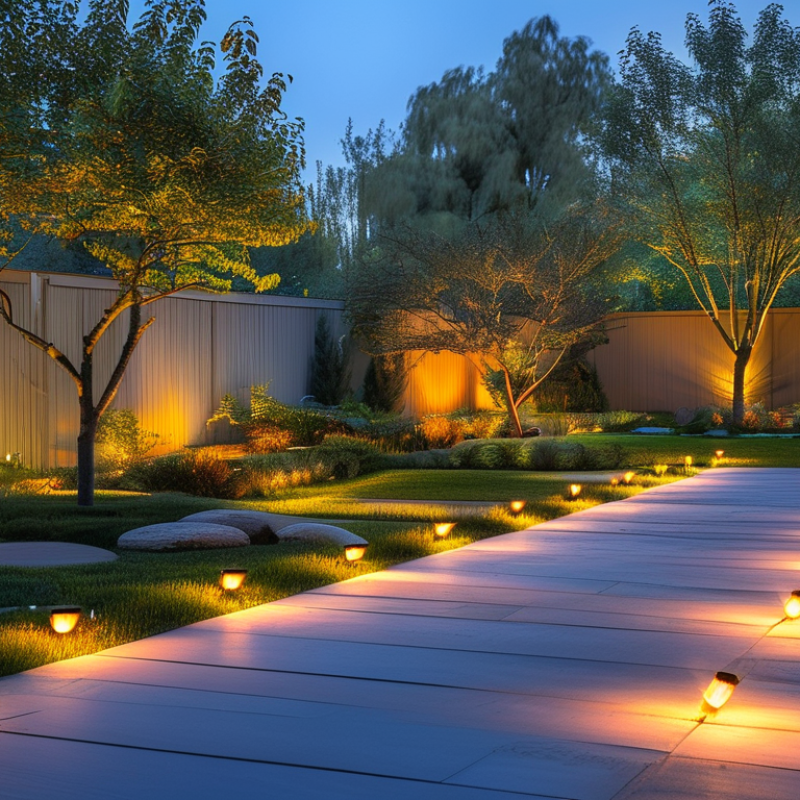
Benefits of Energy Efficiency with LED Lighting in Outdoor Areas
Switching to LED lighting fixtures in outdoor spaces offers significant benefits in energy efficiency. LEDs consume up to 75% less energy than traditional incandescent bulbs. As reported by the U.S. Department of Energy, widespread adoption of LED lighting could save the United States about $30 billion annually in energy costs by 2027. With outdoor illumination often running for extended hours, the savings can be particularly pronounced.
Additionally, LED lights have a longer lifespan. They can last up to 25,000 hours, compared to just 1,000 hours for incandescent bulbs. This durability translates to reduced maintenance costs and fewer replacements. Although initial installation might require more investment, the long-term savings in energy costs and reduced waste easily justify the switch. This also highlights a struggle: while the technology is advancing, some remain hesitant due to upfront costs.
Environmental impact is another area where LEDs shine. They produce less heat and reduce greenhouse gas emissions. The shift to LED lighting aligns with global sustainability goals. However, some regions still lack the infrastructure to promote this transition effectively. Balancing immediate financial concerns with long-term benefits can be challenging. Yet, the evidence points to LEDs being a worthwhile investment for outdoor lighting efficiency.
Longer Lifespan: How LED Fixtures Outlast Traditional Lighting Solutions
Switching to LED lighting for outdoor spaces can dramatically improve longevity. Traditional bulbs typically last around 1,000 hours, whereas LED fixtures can endure for about 25,000 to 50,000 hours. This longevity translates into less frequent replacements and lower maintenance costs. According to the U.S. Department of Energy, LED lighting can last up to 25 times longer than incandescent lights. This not only saves time but also reduces waste.
Outdoor settings often expose lights to harsh conditions. LEDs are resilient against temperature fluctuations and moisture, unlike traditional bulbs. Their solid-state construction helps them withstand impacts and vibration. This reliability means fewer outages during critical times. For instance, park lighting or pathway illumination remains consistent, ensuring safety and visibility.
When considering the switch, aim for quality over quantity. Pay attention to lumens per watt for efficiency. Choose fixtures rated for outdoor use to maximize durability. Awareness of local climate can help guide selections. LEDs are becoming increasingly versatile with various color temperatures, enhancing ambience while maintaining energy efficiency. Regularly inspect and clean fixtures to maximize their lifespan and performance. Over time, the benefits of longevity and sustainability become clearly evident.
Cost-Effectiveness: Saving Money with Lower Energy Bills and Maintenance
LED lighting fixtures are a smart choice for outdoor spaces, especially when it comes to cost-effectiveness. Transitioning to LED can significantly reduce energy bills due to their lower wattage and higher efficiency. For example, replacing traditional bulbs with LEDs can save homeowners up to 80% on energy costs. Additionally, LEDs have a longer lifespan, meaning fewer replacements and savings on maintenance.
Creating an energy-efficient outdoor environment doesn't have to be overwhelming. Start by assessing current lighting needs and identifying areas requiring improvement. Look for fixtures that offer similar brightness levels while consuming less energy. Also, consider using timers or motion sensors to ensure lights are only on when needed, further enhancing cost savings.
However, LED technology is not perfect. Initial costs can be higher, which may cause some hesitation. It's essential to weigh long-term savings against upfront investments. Research local rebates or incentives that encourage energy-efficient upgrades. Understanding these factors can lead to better financial decisions and a more sustainable outdoor space.
Environmental Impact: How LEDs Reduce Ecological Footprint in Outdoor Spaces
Switching to LED lighting fixtures for outdoor spaces presents significant environmental benefits. LEDs consume less energy compared to traditional bulbs. They work efficiently, reducing your carbon footprint. This low energy consumption leads to decreased greenhouse gas emissions. The production of energy-efficient lighting helps combat climate change.
Moreover, LEDs have a longer lifespan than conventional options. This means fewer replacements and less waste in landfills. While some may argue about the initial cost, the long-term savings are undeniable. A reduction in waste and resource usage reflects a more sustainable approach to outdoor lighting.
LEDs also minimize light pollution, which can disrupt local wildlife. By directing light precisely where it’s needed, they protect ecosystems. Users must carefully consider their lighting choices. Balancing aesthetics and environmental impact can be challenging. Some fixtures may not meet all criteria, highlighting the need for thoughtful selection.
Versatility and Design: Enhancing Outdoor Aesthetics with LED Options
When considering outdoor lighting, versatility and design become crucial factors. LED lighting fixtures have transformed the way we illuminate our outdoor spaces. They come in a wide variety of styles, from sleek pathway lights to charming lanterns, ensuring that every aesthetic preference is catered to. Homeowners can experiment with different designs to enhance landscaping or architectural features. The unique shapes and colors available can create a cozy atmosphere or a vibrant party vibe.
Moreover, the energy efficiency of LEDs plays an important role in their design appeal. They emit bright illumination while consuming less power. This means outdoor spaces become visually striking without incurring high electricity bills. However, some may find it overwhelming to choose from so many options. It can be a daunting task to balance functionality and style. Taking the time to reflect on your space is essential. Consider how the light's color temperature matches your home’s overall ambiance.
Additionally, the placements of these fixtures require thoughtful consideration. A well-placed light can highlight specific garden features, while poorly positioned fixtures may create harsh shadows or glare. It's about creating harmony in the outdoor environment. Remember, lighting isn't just about brightness; it’s also about the mood it sets. Therefore, exploring the versatility and aesthetics of LED lights demands both creativity and critical thinking.
10 Reasons to Switch to LED Lighting Fixtures for Outdoor Spaces
FAQS
: LED lighting can save up to 75% more energy than traditional incandescent bulbs.
LEDs can last up to 25,000 hours, compared to just 1,000 hours for incandescent bulbs.
LEDs produce less heat and reduce greenhouse gas emissions compared to traditional lighting options.
Yes, researching local rebates or incentives can help offset initial LED installation costs.
Use timers or motion sensors to ensure lights operate only when necessary.
Weigh long-term savings against upfront costs. Initial expenses can be a barrier for some.
Yes, since LEDs last longer, they require fewer replacements, thus saving on maintenance.
Some may hesitate due to initial costs, despite the long-term savings being evident.
Identify areas needing improvement and look for fixtures that maintain brightness while using less energy.
Evidence suggests that LEDs are a worthwhile investment for energy-efficient outdoor lighting.
Conclusion
When considering outdoor lighting solutions, many people ponder, "Why should you switch to LED lighting fixtures for outdoor spaces?" The advantages of LED lighting are numerous, starting with their remarkable energy efficiency, which significantly reduces electricity consumption compared to traditional lighting. Moreover, LED fixtures have a longer lifespan, often exceeding that of conventional bulbs, resulting in lower replacement costs and reduced maintenance efforts.
In addition to cost savings, LED lights have a smaller ecological footprint, contributing to environmental sustainability by using less energy and minimizing waste. The versatility in design allows for enhanced aesthetics in outdoor areas, creating visually appealing spaces while providing adequate illumination. Overall, the switch to LED lighting fixtures not only benefits individual households economically but also supports broader efforts towards environmental conservation.

 Luma Bulb