LED Floodlights vs Traditional Floodlights Best Energy Efficiency Explained?

Time:2026-05-22 Author:Ethan
0%

In recent years, the use of LED floodlights has gained significant traction. Many people are asking, "Why are LED floodlights more energy-efficient than traditional floodlights?" This question highlights a critical shift in lighting technology. LED floodlights offer numerous advantages that are hard to overlook.

Firstly, LEDs consume less power. They convert a higher percentage of electricity into light. Traditional floodlights, on the other hand, waste a lot of energy as heat. This fundamental difference dramatically impacts energy bills. Additionally, LED floodlights have a longer lifespan. They can last up to 25 times longer than conventional options. This longevity not only reduces replacement costs but also minimizes environmental waste.

Moreover, LED technology continues to advance. However, some users still hesitate to switch. They worry about the initial investment or the perceived light quality. It's crucial to address these concerns with reliable data and expert insights. As the market evolves, understanding these differences can influence decisions for homes and businesses alike.
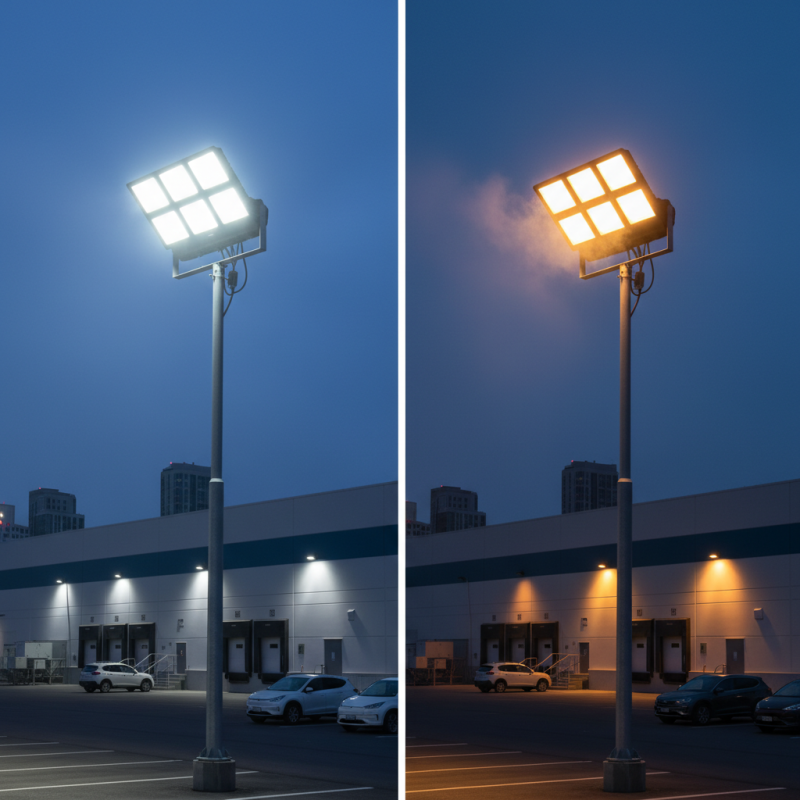
LED Floodlights vs Traditional Floodlights Best Energy Efficiency Explained?

LED Floodlights Overview: Key Features and Benefits

LED floodlights have transformed outdoor lighting, offering a variety of key features and benefits that surpass traditional options. One major advantage of LED technology is energy efficiency. According to a report by the U.S. Department of Energy, LED lights use up to 75% less energy than incandescent bulbs. This significant reduction translates into lower electricity bills for residential and commercial users.

The longevity of LED floodlights also stands out. These lights can last up to 50,000 hours, greatly reducing the need for frequent replacements. This durability contributes to less waste and a lower environmental impact. For instance, switching from traditional floodlights to LEDs can save hundreds of kilograms of carbon dioxide emissions over their lifespan.

Tip: When considering an upgrade to LED floodlights, assess your current lighting needs carefully. An overestimation can lead to unnecessary energy consumption. You might choose bulbs with adjustable brightness to meet varying requirements. Additionally, look for fixtures with a high lumen output to ensure adequate illumination without sacrificing energy efficiency.

Traditional Floodlights: Understanding Their Technology and Usage

Traditional floodlights have been widely used for outdoor lighting, especially in sports fields, parking lots, and large events. These fixtures generally use high-intensity discharge (HID) or incandescent bulbs. Their brightness can illuminate vast areas effectively. Despite their common usage, traditional floodlights have significant drawbacks regarding energy efficiency.

The lifetime of typical HID bulbs ranges between 15,000 to 25,000 hours, but they often require considerable energy, averaging 400 watts for a single fixture. According to the U.S. Department of Energy, traditional floodlights can consume nearly three times more energy than newer technologies. This high-energy consumption leads to increased electricity costs, especially during extensive use.

Furthermore, traditional floodlights tend to have a longer warm-up time. Users may need to wait several minutes to achieve optimal brightness. This inconvenience can impact events that rely on quick light availability. A growing number of facilities are re-evaluating their lighting choices. They recognize the importance of adopting more energy-efficient alternatives that not only reduce bills but also provide instant light.

LED Floodlights vs Traditional Floodlights: Energy Efficiency Comparison

This chart illustrates the energy efficiency of LED floodlights versus traditional floodlights. LED floodlights provide a significantly higher output of lumens per watt, making them a more energy-efficient lighting option.

Comparative Analysis of Energy Efficiency in LED vs Traditional Floodlights

When comparing LED floodlights to traditional options, energy efficiency is a crucial factor. LED floodlights use significantly less energy, converting a greater percentage of electricity into visible light. In fact, they consume up to 80% less energy than traditional incandescent floodlights. This isn't just a theoretical advantage; real-world applications often show noticeable reductions in electricity bills.

Another aspect to consider is the lifespan of the lighting solution. LED floodlights typically last 25,000 to 50,000 hours, compared to only 2,000 to 5,000 hours for traditional bulbs. This means fewer replacements and less waste over time. However, LED technology can lead to challenges, such as initial costs. While they save money in the long run, the upfront investment is often higher.

Also, the quality of light differs significantly between the two. LED floodlights offer better color accuracy and brightness. Yet, some users may feel that the harshness of LED light is not as warm or inviting as traditional options. This subjective aspect can influence choices despite the clear energy efficiency benefits.

Cost Implications: Initial Investment and Long-term Savings

When comparing LED floodlights to traditional options, understanding cost implications is vital. Initial investments often deter buyers. However, this hesitance may overlook long-term savings, which can be substantial. According to the Department of Energy, LED lighting can use up to 75% less energy than traditional incandescent bulbs. This stark difference translates to lower electricity costs over time.

Traditional floodlights may be cheaper upfront, but their short lifespan is a drawback. Most LEDs last up to 25,000 hours, while traditional bulbs typically last around 1,000 hours. This means more frequent replacements for traditional options, leading to increased costs in labor and materials. For instance, a facility using traditional floodlights could face hundreds of dollars annually just for replacements, excluding energy waste.

It's essential to factor in the broader impact of energy efficiency. A study from the Energy Efficiency Institute indicates that switching to LED floodlights could save an average of $1,800 per fixture over ten years. However, some may find the initial investment daunting, leading to hesitation. While the data supports the shift towards LED for long-term gains, not every company is ready for this transition. Cost considerations require careful assessment, balancing immediate budgets with future savings.

Environmental Impact: LED Floodlights vs Traditional Options

LED floodlights and traditional floodlights have distinct environmental impacts. LED technology uses about 75% less energy than halogen or incandescent lights. This significant energy reduction translates into lower greenhouse gas emissions. A report from the U.S. Department of Energy highlights that switching to LED lighting can cut annual energy costs by over $2 billion nationwide.

Manufacturing processes also differ. Traditional options rely on materials like mercury and tungsten, posing disposal challenges. In contrast, LED floodlights typically have a longer lifespan. They last up to 25,000 hours compared to just 1,000 for incandescent bulbs. This longevity reduces waste and energy consumption for replacement.

Despite these advantages, implementation can be slow. The initial cost of LED floodlights may discourage some users. However, the long-term savings on energy bills can outweigh these upfront investments. Transitioning fully to LEDs may take time but can lead to a more sustainable future for our environment.

LED Floodlights vs Traditional Floodlights: Best Energy Efficiency Explained

Feature LED Floodlights Traditional Floodlights
Energy Consumption (Watts) 50-300 150-500
Lifespan (Hours) 25,000 - 50,000 2,500 - 5,000
Light Output (Lumens/Watt) 80-160 10-20
Environmental Impact Lower carbon footprint Higher carbon footprint
Heat Emission Minimal High
Dimming Capability Yes No

FAQS

: How much energy do LED floodlights save compared to traditional ones?

: LED floodlights use up to 80% less energy than traditional incandescent ones.

What is the lifespan of LED floodlights?

LED floodlights last between 25,000 to 50,000 hours, significantly longer than traditional bulbs.

Why might people hesitate to buy LED floodlights?

The initial investment for LEDs is often higher, which can deter potential buyers.

Do LED floodlights provide quality light?

Yes, they offer better color accuracy and brightness. However, some find the light too harsh.

What are the long-term savings with LED floodlights?

Switching to LEDs can save an average of $1,800 per fixture over ten years.

Are traditional floodlights cheaper upfront?

Yes, traditional floodlights are usually cheaper, but they have shorter lifespans and higher replacement costs.

How often do traditional bulbs need to be replaced?

Traditional bulbs typically last around 1,000 hours, leading to frequent replacements.

What hidden costs should be considered with traditional floodlights?

Costs for labor and materials for replacements can add up, resulting in higher overall expenses.

Can every company afford the switch to LED floodlights?

Not every company is ready for the upfront costs, despite potential long-term savings.

Is energy efficiency the only factor when choosing floodlights?

No, personal preferences for light quality and warmth can also impact the decision.

Conclusion

In the ongoing debate between LED floodlights and traditional floodlights, one key question arises: "Why are LED floodlights more energy-efficient than traditional floodlights?" LED floodlights utilize advanced semiconductor technology that converts electricity directly into light, resulting in less wasted energy as heat. This efficiency allows LED lights to produce a higher lumen output per watt, significantly reducing energy consumption compared to their traditional incandescent or halogen counterparts, which inefficiently radiate heat.

Moreover, while the initial cost of LED floodlights may be higher, their long-term savings in energy bills and reduced maintenance costs due to a longer lifespan make them a more economical choice. From an environmental perspective, the lower energy usage of LEDs contributes to reduced carbon emissions, aligning with broader sustainability goals. By understanding these factors, consumers can make informed decisions on lighting solutions that balance functionality, cost-effectiveness, and environmental responsibility.

Ethan

Ethan

Ethan is a seasoned marketing professional with a deep expertise in our company's innovative product line. With a passion for sharing knowledge and insights, he takes the lead in regularly updating our corporate blog, where he explores industry trends, product features, and effective marketing......