Avoid Common Installation Mistakes with LED Pendant Lights?

Time:2026-06-27 Author:Liam
0%

LED pendant lights are a popular choice for modern interiors. They combine style with energy efficiency. However, many homeowners face issues during installation. According to a report by the U.S. Department of Energy, improper installation can lead to a 30% decrease in lighting efficiency. Therefore, understanding how to avoid common installation mistakes with LED pendant lights is essential.

One major area of concern is the mounting process. Improper mounting can result in an unstable fixture, risking it falling or not functioning correctly. It’s crucial to ensure that electrical connections are secure and that the fixture is leveled correctly. Additionally, many people neglect to consider the height at which the pendants are installed. Too high or too low can distort the intended aesthetic and functionality.

Experts also emphasize the importance of reading manufacturer guidelines. Despite being a straightforward task, skipping this step can lead to costly mistakes. Another common oversight is the selection of incompatible bulbs. Using the wrong type can result in flickering or a reduced lifespan of the lights. Awareness of these pitfalls is key to achieving beautiful and effective lighting solutions.
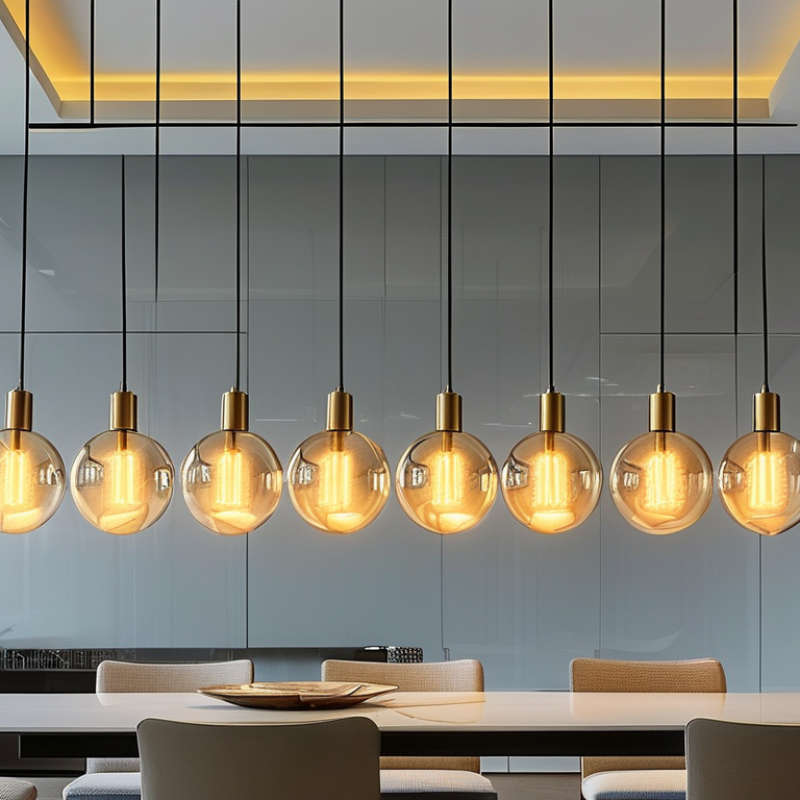
Avoid Common Installation Mistakes with LED Pendant Lights?

Understanding LED Pendant Lights: Types and Benefits

LED pendant lights are becoming increasingly popular in modern design. They offer a range of styles and functionality that can enhance any space. Research from the U.S. Department of Energy shows that LED lighting uses at least 75% less energy than incandescent lighting. This statistic alone highlights the benefits of switching to LED options for both the environment and energy savings.

There are various types of LED pendant lights available. These range from minimalist designs to elaborate fixtures with intricate details. Each type serves different aesthetic needs and practical functions. For instance, a sleek pendant light can fit beautifully in a contemporary kitchen, while a vintage-style fixture can add charm to a rustic dining area. However, selecting the right type can be challenging. Homeowners often overlook certain specifications, such as the light’s lumens and color temperature. This oversight can lead to less-than-ideal lighting in their chosen space.

Moreover, understanding the benefits of LED technology goes beyond energy efficiency. LEDs offer longer lifespans, often lasting up to 25,000 hours. This reduces the frequency of replacements and associated waste. Homeowners sometimes forget this factor when considering initial costs. It's crucial to weigh long-term benefits against short-term expenses. Ignoring this can result in costly decisions that impact overall satisfaction. Employing LED pendant lights not only elevates aesthetics but also enhances functionality with proper selection and understanding.

Essential Tools and Materials for Installation

When installing LED pendant lights, having the right tools can make all the difference. Essential items include wire cutters, a screwdriver, and a voltage tester. According to the National Electrical Manufacturers Association, 50% of installation issues stem from inadequate tools. This statistic highlights the importance of preparation.

Gathering all necessary materials is crucial too. Make sure to have electrical tape, compatible mounting hardware, and the right gauge wiring. Using inappropriate materials often leads to unsafe installations. The Lighting Research Center indicates that improper connections account for nearly 30% of lighting failures.

It’s also vital to read the installation instructions thoroughly. Many people overlook this step. In fact, a survey found that 40% of DIY installers reported confusion due to skipped steps. Recognizing these common pitfalls can help avoid future headaches. Proper preparation and attention to detail can ensure a smooth installation process.

Step-by-Step Guide to Installing LED Pendant Lights

Installing LED pendant lights can enhance your space dramatically. However, common mistakes can lead to poor outcomes. Proper planning is essential. According to industry research, nearly 30% of DIY installations fail due to improper placement or inadequate measurements. Correctly measuring the height is crucial. Ideally, the bottom of the pendant should hang about 30-36 inches above the surface. This height ensures adequate illumination while maintaining aesthetic appeal.

Wiring and electrical connections must also be handled with care. Many overlook the importance of turning off the power at the circuit breaker. Neglecting this step can lead to serious electric shocks. It’s important to ensure your wiring meets safety standards. Issues arise when the existing structure has underlying problems, such as frayed wires or insufficient support for the pendant’s weight.

Finally, fixture choice can affect installation. Many users fail to consider the bulb type in their fixtures. The intensity of light varies significantly between LED options. According to the Department of Energy, LEDs consume 75% less energy than incandescent bulbs. This could lead to frustration if not matched correctly to the intended ambiance. Failure to adapt to these details could result in insufficient lighting or excess glare, highlighting the need for a thoughtful approach to installation.

Avoid Common Installation Mistakes with LED Pendant Lights

Mistake Description Solution
Incorrect Height Hanging the pendant light too high or too low can affect lighting and aesthetics. Install at the recommended height, typically 28-34 inches above the countertop.
Poor Wiring Improperly connecting wires can lead to short circuits or flickering lights. Use wire nuts and follow the manufacturer’s wiring guide for safe connections.
Wrong Bulb Type Using incompatible bulbs can cause damage or dimness. Choose LED bulbs that match the fixture's specifications.
Ignoring Room Size Oversized or undersized fixtures can disrupt room proportion. Select fixtures based on the scale of the room; consider using a guide for sizing.
Not Considering Dimming Options Not installing a dimmer switch can limit lighting flexibility. Install a compatible dimmer switch for adjustable lighting.

Common Mistakes to Avoid During Installation

When installing LED pendant lights, many common mistakes can hinder their performance and aesthetic appeal. One frequent error involves improper placement. Hanging the lights too high or too low can diminish their effectiveness. Ideally, pendant lights should be mounted 30 to 36 inches above a surface, such as a table or kitchen island, to provide optimal illumination.

Another mistake is neglecting the electrical load. Ensure that your circuit can handle the additional wattage from LED fixtures. Overloading a circuit can lead to flickering or even outages. Pay attention to the wiring and connections, too; loose wires can create hazards. The installation might look fine on the surface, but underlying issues could arise later. It's crucial to double-check all connections before securing the fixture. Avoid rushing through the project, as this can lead to oversights that may compromise safety and functionality.

Lastly, many overlook the importance of selecting the right bulb. Not all LED bulbs are suitable for pendant fixtures. Choosing the wrong type can lead to poor lighting quality or even appliance failure. Always check compatibility and consider the ambiance you wish to create. Reflecting on these common installation mistakes will lead to a more successful and safer lighting project.

Post-Installation Tips for Optimal Performance

When installing LED pendant lights, it's easy to overlook key details. To ensure optimal performance post-installation, pay attention to the following tips.

Start by ensuring your pendant lights are at the right height. Fixtures that hang too low can obstruct views and create a cluttered feel. Consider the space. A general rule is to hang pendants about 28 to 34 inches above a dining table. This helps to provide enough light without hindering conversations.

Wiring mistakes can lead to flickering or dim lighting. Make sure to double-check connections and use the right gauge wire for your installation. If unsure, consulting a professional electrician can save time and hassle. Good wiring ensures a longer lifespan for your lights.

Don't forget to adjust the brightness. Dimmer switches allow flexibility in ambiance. Without them, your space may feel too harsh or too dim. Control over brightness makes a significant difference in comfort and usability.

Avoid Common Installation Mistakes with LED Pendant Lights

This chart displays the common installation mistakes encountered with LED pendant lights. The data illustrates the frequency of each mistake, highlighting the areas to focus on for optimal performance and installation success.

FAQS

: What tools are essential for installing LED pendant lights?

: Essential tools include wire cutters, a screwdriver, and a voltage tester. These can prevent many installation issues.

Why is using the right materials important?

Using appropriate materials, like electrical tape and mounting hardware, ensures safety. Inadequate materials increase the risk of lighting failures.

How can I avoid mistakes during installation?

Proper planning is key. Measure correctly and always turn off the power at the circuit breaker before starting.

What is the ideal height for pendant lights?

The bottom of the pendant should hang about 30-36 inches above the surface for proper illumination and aesthetics.

What should I check when connecting wiring?

Ensure your wiring meets safety standards. Look for frayed wires and sufficient support for the weight of the pendant.

How can choosing the wrong bulb affect my installation?

Different LED bulbs have varying intensities. Choosing the wrong type can lead to insufficient lighting or excessive glare.

Why is it important to read installation instructions?

Many skip reading instructions, leading to confusion. This can result in incorrect installations and future issues.

What common mistakes do DIY installers make?

Many DIYers don’t measure properly or neglect safety precautions, resulting in poor placements and potential hazards.

What percentage of installations fail due to improper placement?

Nearly 30% of DIY installations fail due to improper placement or inadequate measurements. Care is crucial here.

How can I prepare more effectively for installation?

Take time to gather all necessary materials and tools. Proper preparation increases installation success and avoids mistakes.

Conclusion

When installing LED pendant lights, understanding the types and benefits of these fixtures is crucial for achieving the desired aesthetic and functionality in your space. Essential tools and materials should be gathered beforehand to ensure a smooth installation process. A step-by-step guide detailing the installation procedure can help homeowners navigate the process effectively. However, a key question arises: how to avoid common installation mistakes with LED pendant lights?

To avoid pitfalls, it's important to be aware of common mistakes such as improper height placement, inadequate support for heavy fixtures, and neglecting electrical safety precautions. Post-installation tips can further enhance performance, ensuring that the lights not only look great but also function efficiently over time. By following these guidelines, you can enjoy the full benefits of your LED pendant lights while avoiding common errors that could lead to dissatisfaction or safety issues.

Liam

Liam

Liam is a dedicated marketing professional with a profound expertise in the industry, where he excels at highlighting the unique advantages of our core products. With a keen understanding of market trends and consumer needs, Liam frequently updates our company’s professional blog, providing......