How to Choose Rustic Lighting for Farmhouse Homes

Time:2026-10-21 Author:Sienna
0%

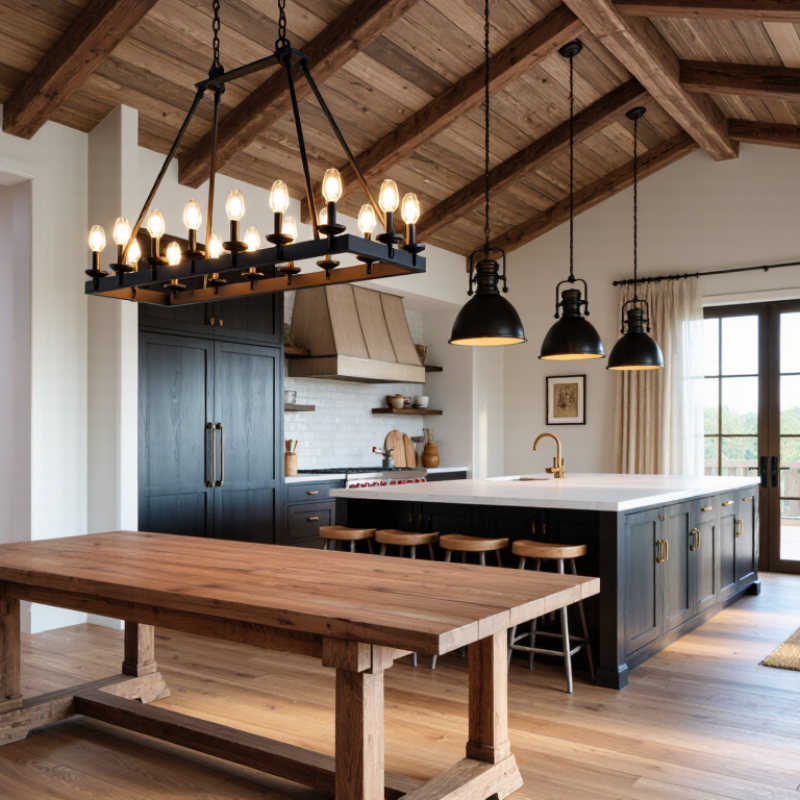
Choosing rustic lighting for a farmhouse home involves more than selecting weathered metal or warm bulbs. The right fixture should support the room’s function, scale, and existing materials. Think of a timber dining table, exposed beams, linen curtains, and aged oak floors. Each detail affects the lighting choice.

How do rustic lighting fixtures complement a farmhouse-style home? They add warmth, texture, and visual balance without making the room feel overly decorated. A black iron pendant can define a kitchen island, while a seeded-glass sconce may soften a narrow hallway. In larger rooms, layered lighting works best. Combine ambient ceiling lights, focused task lighting, and gentle accent sources.

Practical experience matters here. Measure the room before shopping, and check whether the fixture suits the ceiling height. A large chandelier may look impressive online but feel crowded above a small table. Use dimmable, energy-efficient bulbs when compatible with the fitting. Warm white light, often around 2700K, usually supports farmhouse materials beautifully.

Still, style is personal. Not every rustic fixture needs a distressed finish. That assumption can make a home feel staged. Consider cleaner lines, natural wood, or aged brass instead. Safety should remain central, especially in kitchens, bathrooms, and covered outdoor areas. Follow local electrical requirements, and consult a qualified electrician when wiring conditions are unclear. This guide explores proportion, materials, placement, bulb temperature, and maintenance, helping you create a farmhouse atmosphere that feels lived-in, comfortable, and thoughtfully chosen. Mistakes can happen. The goal is balance, not perfection.
How to Choose Rustic Lighting for Farmhouse Homes

Define the Core Features of Rustic Farmhouse Lighting

Rustic farmhouse lighting should feel useful, calm, and connected to the home’s materials. Core features include wood, aged metal, linen, and hand-finished textures. These surfaces should look honest, not artificially distressed. Warm light, usually 2700K to 3000K, softens rough beams and painted walls. Exposed bulbs can add character, but glare becomes tiring near eye level. Good design balances charm with daily comfort.

From my own room-planning experience, scale matters more than decoration. A broad dining table needs a fixture with enough visual weight. A narrow hallway needs a smaller, shielded light. Black, bronze, or muted gray finishes often suit farmhouse interiors. Still, matching every metal can make a room feel staged. I once selected an oversized pendant because it looked impressive online. It crowded the table and created a bright hotspot. The mistake taught me to test height, spread, and shadows in the actual room.

Tips: Check the fixture’s dimensions beside your furniture. Choose dimmable lamps for changing daylight. Use layered lighting, such as ceiling, wall, and task sources. Confirm electrical ratings and professional installation requirements. Avoid placing fabric shades near heat sources. Take a photo at night. It reveals problems daylight hides. Rustic style should not ignore efficiency. LED lamps reduce heat and energy use, though some colors can appear too clinical. Compare the light, not only the fixture.

How to Choose Rustic Lighting for Farmhouse Homes

Define the Core Features of Rustic Farmhouse Lighting

Rustic farmhouse lighting works best when natural materials, warm light, and practical layering come together. Use aged metal, wood, woven fibers, or clear glass to reinforce the farmhouse character, while dimmers and multiple light sources improve flexibility.

The chart shows typical residential target illuminance levels in lux. Kitchens require brighter task lighting, while living rooms and bedrooms generally benefit from softer ambient light. Always verify local electrical and building requirements.

Match Lighting Materials with the Farmhouse Interior Style

Rustic lighting works best when its materials echo the farmhouse interior.

Look at the room’s largest surfaces first. Reclaimed wood beams pair naturally with blackened iron or aged steel fixtures. These materials add weight without competing with the ceiling structure. In a traditional farmhouse, warm metal and clear glass create a practical, workshop-like character. Keep the finish slightly uneven. Perfectly polished surfaces can feel too formal.

Modern farmhouse rooms need more restraint. I often combine matte black pendants with pale oak furniture and white plaster walls. The contrast keeps the space crisp, while oak prevents it from feeling cold. Linen shades soften strong lines and spread light across a dining table. For a cottage-style interior, woven rattan, ceramic, or weathered brass can feel more convincing. Use one dominant material and two supporting textures. Too many rustic finishes may look staged.

Scale and function matter as much as appearance. A heavy iron chandelier may suit a high timber ceiling, but it can overwhelm a small kitchen. Check the fixture’s heat rating, mounting support, and suitability for damp areas before installation. Use warm bulbs around 2700K to 3000K for a welcoming glow. I once chose a beautiful oversized pendant that blocked conversation across the table. It looked right in photographs, yet lived poorly in the room. Lighting decisions need testing at night, not just admiring in daylight.

Select Fixtures According to Room Function and Size

Choosing rustic lighting for a farmhouse home starts with the room’s job, not the fixture’s appearance. In a kitchen, bright, shadow-free light supports chopping, cooking, and cleaning. Use a broad pendant or several smaller lights above an island. Keep fixtures high enough to protect sightlines and avoid accidental bumps. For dining areas, warmer light can soften wood surfaces and make meals feel relaxed. A dimmable control adds flexibility without changing the fixture. Measure twice.

Room size should guide the fixture’s scale. A large iron chandelier may suit a tall, open room, but overwhelm a compact breakfast nook. In a small bedroom, choose a narrow ceiling light or compact wall sconces. Leave clear walking space around beds, tables, and doorways. Over a dining table, keep the fixture approximately 30 to 36 inches above the surface. A qualified electrician should handle wiring, ceiling boxes, and damp locations. This is not the glamorous part. However, it supports safer, more reliable installation.

Rustic style works best when texture supports function. Weathered wood, aged metal, and linen shades add character, yet dark materials absorb light. I once selected a beautiful dark pendant for a narrow hallway; the space immediately felt smaller. A lighter shade would have served better. That mistake changed my process. Now I test the fixture’s shadow pattern at night, not only in a showroom. I also compare its diameter with the table or island below. The result may look less dramatic, but daily use matters more.

How to Choose Rustic Lighting for Farmhouse Homes - Select Fixtures According to Room Function and Size

Use room function, floor area, ceiling height, and desired atmosphere to select a balanced rustic lighting plan.

Room Primary Function Typical Room Size Suitable Rustic Fixture Recommended Total Light Output Suggested Color Temperature Placement and Sizing Guidance Farmhouse Style Details
Entryway Welcoming guests and providing safe circulation 4–8 m²
43–86 sq. ft.
Small flush mount, semi-flush mount, or compact lantern-style ceiling fixture 800–1,500 lumens 2,700–3,000 K Choose a fixture about 30–45 cm wide. Keep at least 2.1 m of clear headroom below the fixture where possible. Aged metal, clear or seeded glass, wood accents, and simple cage profiles
Kitchen Food preparation, cooking, cleaning, and general activity 10–20 m²
108–215 sq. ft.
Central pendant or semi-flush fixture combined with recessed or under-cabinet task lighting 3,000–6,000 lumens 3,000–3,500 K Hang island pendants 76–91 cm above the countertop. For a single island fixture, select a diameter near one-third of the island width. Black or bronze metal, barn-inspired shades, clear glass, and natural wood elements
Dining Room Dining, entertaining, and visual focus over the table 10–16 m²
108–172 sq. ft.
Linear chandelier, multi-light pendant, or rustic lantern chandelier 2,000–4,000 lumens 2,700–3,000 K Fixture width should be approximately one-half to two-thirds of the table width. Hang the bottom about 76–91 cm above the tabletop. Wrought-style frames, wood beams, candle-shaped bulbs, and seeded glass
Living Room Relaxing, reading, conversation, and entertaining 16–28 m²
172–301 sq. ft.
Central chandelier or semi-flush fixture supported by floor, table, or wall lights 2,500–5,000 lumens 2,700–3,000 K Use layered lighting rather than one bright source. For a chandelier, add the room length and width in feet; use that number in inches as a starting diameter. Distressed wood, aged iron, linen shades, and warm exposed bulbs
Bedroom Resting, dressing, reading, and creating a calm atmosphere 12–20 m²
129–215 sq. ft.
Low-profile ceiling fixture, small chandelier, or pendant with bedside sconces 1,500–3,000 lumens 2,700 K Place the main fixture near the center of the room. Use dimming and bedside lighting to avoid excessive overhead brightness. Soft fabric shades, weathered wood, matte bronze, and gently diffused glass
Bathroom Grooming, bathing, and safe movement in a humid environment 4–8 m²
43–86 sq. ft.
Moisture-rated flush mount with vanity sconces or a horizontal vanity light 1,500–3,000 lumens 3,000–3,500 K Place vanity lights at face level when possible. Use only fixtures with an appropriate damp or wet location rating for their installation area. Rustic metal finish, clear protective glass, and simple wood-look details suited to moisture exposure
Home Office Computer work, reading, writing, and focused tasks 8–14 m²
86–151 sq. ft.
Adjustable pendant, semi-flush fixture, desk lamp, or wall-mounted task light 2,000–4,000 lumens 3,000–4,000 K Combine ambient light with a task lamp. Position fixtures to reduce reflections on screens and avoid casting shadows across the work surface. Dark metal shades, wood details, articulated arms, and understated industrial-rustic forms
Mudroom or Laundry Room Sorting, cleaning, storage, and frequent utility tasks 6–12 m²
65–129 sq. ft.
Durable flush mount, semi-flush fixture, or utility-style pendant 1,500–3,000 lumens 3,000–4,000 K Prioritize even illumination and easy cleaning. Select a compact fixture that leaves door swings, cabinets, and storage areas unobstructed. Galvanized or matte metal, wire cages, clear glass, and practical barn-inspired shapes
Covered Porch Outdoor entry, seating, and evening circulation 6–15 m²
65–161 sq. ft.
Exterior wall lanterns, ceiling-mounted outdoor fixture, or hanging porch lantern 800–2,000 lumens 2,700–3,000 K Use fixtures rated for the actual outdoor exposure. Wall lanterns should generally occupy no more than about one-quarter to one-third of the door height. Weather-resistant dark metal, clear or seeded glass, and traditional lantern silhouettes

General sizing rule: Add the room length and width in feet, then use the result in inches as a starting diameter for a central ceiling fixture. For example, a 12 × 14 ft room suggests a fixture about 26 inches in diameter. Use dimmers and multiple light sources to balance brightness, comfort, and rustic atmosphere.

Balance Warmth, Brightness, and Energy Efficiency

How to Choose Rustic Lighting for Farmhouse Homes

Rustic lighting should feel warm without making rooms look dim. In farmhouse homes, natural wood, linen, and aged metal already absorb visual brightness. Choose bulbs between 2700K and 3000K for a comfortable amber tone. For kitchens, brighter neutral light may improve food preparation and cleaning. Aim for layered lighting: ceiling fixtures for general brightness, wall lights for gentle support, and pendants above work surfaces. Check lumens rather than relying on wattage alone. LEDs usually provide efficient illumination with less energy use and lower heat.

Tips: Measure the room before buying a fixture. A wide wooden beam can make a large pendant feel visually smaller. Install dimmers where possible, especially in dining areas and bedrooms. Use high color-rendering bulbs when you want wood grain, painted cabinets, and fabrics to appear natural. I once chose a beautiful iron fixture that cast harsh shadows across a table. It looked authentic, but it was uncomfortable at night.

Energy efficiency should not erase character. Select fixtures that direct light where people need it, rather than shining upward or into empty corners. In a hallway, a modest wall light may work better than an oversized chandelier. For safety and reliability, follow the fixture’s installation instructions and ask a qualified electrician when wiring is uncertain. Farmhouse style is forgiving, but poor lighting is not. Test the color and brightness in the actual room before installing several matching fixtures.

Plan Safe Installation and Long-Term Maintenance

How to Choose Rustic Lighting for Farmhouse Homes

Rustic lighting should look warm, but installation must remain strictly practical. Choose fixtures rated for the room’s conditions, especially in kitchens, porches, and damp barns. The U.S. Department of Energy reports that LED lamps use at least 75% less energy and last up to 25 times longer than incandescent lamps. That can reduce heat, replacement work, and energy waste. Still, an attractive fixture is not automatically safe.

Before installation, switch off the circuit at the breaker and verify it with a voltage tester. Do not trust the wall switch alone. Mount heavy iron or wood-framed fixtures to an approved ceiling box, not directly to drywall. Keep cords away from hot surfaces, sharp metal, and areas where farm tools may snag them. Follow NFPA 70 requirements, and ask a licensed electrician to inspect uncertain wiring. A loose ground wire can hide behind a charming finish.

Maintenance needs a simple routine. Dust shades with a dry cloth, check discolored sockets, and tighten visible hardware twice each year. The U.S. Fire Administration identifies electrical malfunctions as a significant cause of residential fires, so flickering deserves attention, not decoration. Replace damaged cords immediately. I once underestimated dust near an exposed bulb; the fixture looked harmless, but it ran hotter than expected. That mistake changed my checklist. Leave clearance around bulbs, record installation dates, and review the setup whenever furniture or storage moves.

FAQS

Which materials suit a traditional farmhouse interior?

Reclaimed wood pairs well with blackened iron or aged steel. Warm metal and clear glass create a practical workshop character. Slightly uneven finishes feel more natural than perfect polishing.

How can modern farmhouse lighting avoid looking cold?

Combine matte black fixtures with pale oak and white plaster walls. Linen shades soften hard lines and spread light across a table. The contrast needs restraint.

Which materials work well in a cottage-style room?

Woven rattan, ceramic, and weathered brass can support a softer cottage feeling. Choose one dominant material and two supporting textures. Too many rustic finishes may look staged.

How should I choose the fixture size?

Measure the room and ceiling before buying. A heavy iron chandelier may suit a high timber ceiling but overwhelm a small kitchen. Test conversation sightlines around the table.

What bulb color creates a welcoming farmhouse atmosphere?

Use bulbs around 2700K to 3000K for a warm amber glow. Kitchens may need brighter neutral light for food preparation and cleaning. Warmth should not create dim corners.

How can farmhouse lighting improve energy efficiency?

Choose LED lamps and check lumens instead of relying only on wattage. Direct light toward work surfaces, tables, and walkways. Do not illuminate empty corners unnecessarily.

What safety checks should happen before installation?

Turn off the circuit at the breaker and verify it with a voltage tester. Heavy fixtures need approved ceiling support, not ordinary drywall. Ask a qualified electrician when wiring seems uncertain.

How should rustic lighting be maintained over time?

Dust shades with a dry cloth and inspect sockets twice each year. Tighten visible hardware and replace damaged cords immediately. Flickering is a warning, not decoration.

Why should lighting be tested at night?

Daylight can hide harsh shadows and uncomfortable brightness. I once chose an attractive oversized pendant that blocked table conversation. It looked right in photographs, but lived poorly. Test the actual room.

Conclusion

Choosing rustic lighting for a farmhouse home begins with understanding its defining features: natural textures, simple silhouettes, aged finishes, and a warm, welcoming atmosphere. Wooden accents, wrought metal, woven fibers, and softly weathered surfaces can reinforce the character of the interior while complementing farmhouse elements such as exposed beams, neutral colors, and vintage-inspired furnishings. How do rustic lighting fixtures complement a farmhouse-style home? They connect practical illumination with the home’s relaxed, handcrafted aesthetic, creating visual harmony without appearing overly polished.

Each fixture should also suit the room’s purpose and scale. Pendant lights can provide focused illumination over kitchen islands, while wall sconces or ceiling fixtures may work better in hallways, bedrooms, and living areas. Consider light temperature, brightness, and energy efficiency to maintain comfort throughout the day. Finally, plan installation carefully, use suitable electrical components, and schedule regular cleaning and inspections. Thoughtful maintenance helps preserve both the appearance and safe performance of rustic lighting over time.

Sienna

Sienna

Sienna is a skilled marketing professional with a deep expertise in our company’s core products and services. With a passion for innovation and detail, she plays a pivotal role in crafting insightful blog posts that not only highlight the unique features of our offerings but also provide valuable......