In today's world, sustainability is more than a trend; it's a necessity. Choosing the right LED lighting can significantly impact our ecological footprint. Many people ask, "Why is LED lighting a better choice for sustainable living?" The answer lies in its efficiency and longevity.
LED lights consume less energy than traditional bulbs, leading to lower electricity bills. They also last longer, reducing waste and the need for frequent replacements. However, not all LED products are created equal. Some options may not meet high environmental standards. It's essential to research and choose brands committed to sustainable practices.
Additionally, consider the light quality and color temperature when selecting LEDs. A warmer tone can create a more inviting space. Yet, many products on the market emit harsh, cold light, which can detract from your home’s atmosphere. Deliberating over these factors will help you make more informed choices for a greener lifestyle. Ultimately, the shift to LED lighting is not just about saving money; it's a step toward a sustainable future.
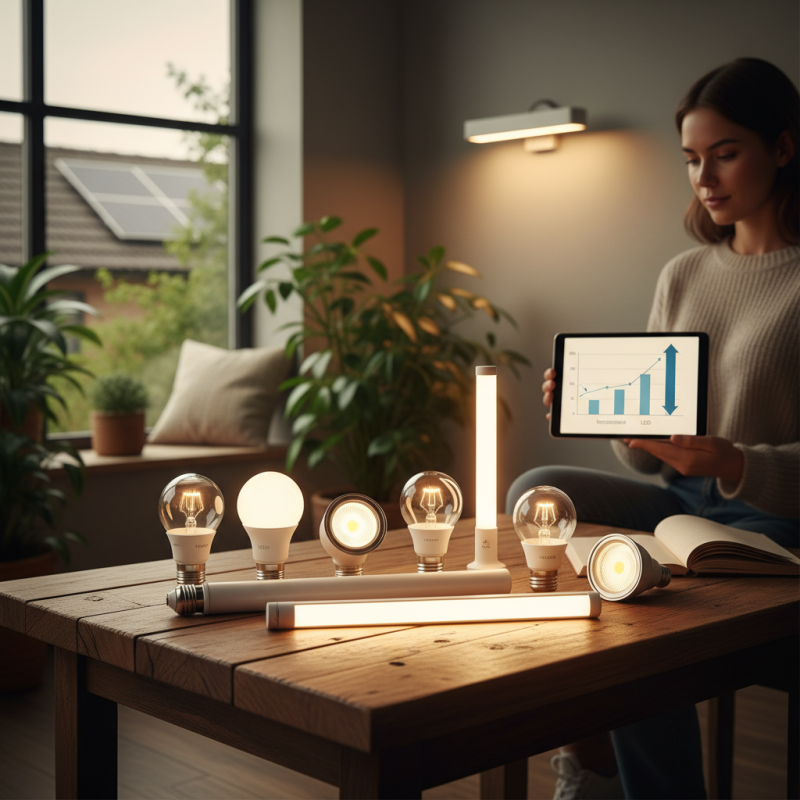
LED lighting offers numerous benefits for sustainable living. First and foremost, it consumes significantly less energy compared to traditional bulbs. For instance, an LED bulb uses about 75% less energy than incandescent lights. This reduction in energy usage directly leads to lower utility bills and a smaller carbon footprint.
Additionally, LED lights have a longer lifespan, often lasting up to 25,000 hours or more. This means fewer bulbs need to be produced and disposed of, reducing waste. However, it is important to consider how not all LEDs are created equal. Some may contain materials that can be harmful if not recycled properly.
Furthermore, LEDs provide better light quality that can enhance mood and productivity. They emit less heat, making them safer in many applications. But, it’s essential to be mindful of the color temperature you choose. Warmer tones may feel more inviting, while cooler tones might improve concentration. Finding the right balance is key for creating a sustainable and pleasant living space.
Choosing the right LED bulbs can significantly impact your sustainable lifestyle. LED bulbs come in various types, each designed for specific purposes. Understanding these differences is key to making an informed choice.
Standard LED bulbs work for general lighting needs. They emit a bright, white light, perfect for living rooms and kitchens. Dimmable LED bulbs allow for adjustable brightness, offering flexibility in mood and energy usage. Decorative LED bulbs, such as filament styles, blend aesthetics with efficiency. These are ideal for fixtures where the bulb is visible.
Consider color temperature too. Warm white bulbs create a cozy atmosphere, while cool white bulbs are energizing. Special LED options include smart bulbs, which can be controlled remotely. This technology may lead to better energy management. Reflecting on your needs can guide your choices. Evaluate which type suits your space and activities best. Balancing aesthetics, function, and efficiency can sometimes be challenging. It is essential to experiment and find what truly works for you.
When choosing LED lighting for a sustainable lifestyle, consider several important factors. Start with energy efficiency. LED bulbs consume far less power than traditional incandescent bulbs, leading to lower energy bills. Pay attention to lumens, the measure of brightness. A higher lumen count means a brighter light, which can improve mood and functionality in your home.
Color temperature is another key aspect. LED lights come in various hues, from warm yellow to cool blue. Warmer tones can create a cozy atmosphere, ideal for living rooms or bedrooms. In contrast, cooler tones enhance focus, making them suitable for workspaces.
Look for longevity as well. Quality LED lights last longer, reducing replacement frequency and waste. However, it’s essential to verify the environmental impact of manufacturing. Some LEDs contain materials that can be harmful if disposed of incorrectly. Seek out products with recyclable materials or end-of-life programs. Checking for certifications can help identify reliable options. A thoughtful selection process may reveal areas of improvement in your sustainability journey.
Choosing LED lighting for a sustainable lifestyle involves understanding energy efficiency ratings. These ratings help you gauge how much energy a bulb consumes. Higher efficiency ratings mean lower energy consumption. This not only saves money but also benefits the environment.
When selecting LED lights, look for Energy Star certification. Certified products have undergone rigorous testing. They consume less energy while providing the same brightness as traditional bulbs. However, some buyers ignore these ratings. Without them, you could end up wasting energy and money.
It’s important to compare lumens and watts. Lumens indicate brightness, while watts measure energy use. Many people focus only on price. This short-sightedness may lead to choosing less efficient options. Remember, one bad choice can negate years of savings. Think critically about your purchases.
Properly disposing of old lighting fixtures is crucial for sustainable living. The United States Environmental Protection Agency (EPA) estimates that about 7% of all U.S. waste comes from discarded light bulbs and fixtures. Many people are unaware of the hidden dangers in traditional incandescent and fluorescent bulbs. These contain harmful substances like mercury, which can lead to pollution and health risks if not disposed of correctly.
Recycling is essential. Many communities have recycling programs specifically for bulbs and fixtures. The International Association of Lighting Designers (IALD) recommends checking local regulations for disposal options. Some states mandate the recycling of certain types of bulbs. Discarding bulbs in regular trash can release toxins into landfills, illustrating the importance of proper disposal.
Consumers should educate themselves about the materials in their lighting. Light-emitting diodes (LEDs) are not only energy-efficient but also often safer. They contain fewer hazardous materials. However, even LEDs should be recycled at designated facilities. This ensures that components like metals and plastics are recovered. In 2020, the Global Lighting Association noted a significant increase in LED recycling initiatives, indicating a shift toward more responsible practices. Take a moment to reflect on your own disposal habits. The impact of our choices can extend far beyond our homes.
| Lighting Type | Energy Efficiency (Wattage) | Average Lifespan (Hours) | Recycling Tips |
|---|---|---|---|
| LED Bulbs | 8-12 Watts | 15,000 - 50,000 | Check local e-waste facilities |
| CFL Bulbs | 9-15 Watts | 7,000 - 15,000 | Return to retail drop-off points |
| Halogen Bulbs | 40-70 Watts | 2,000 - 4,000 | Dispose with regular waste |
| Incandescent Bulbs | 40-100 Watts | 1,000 - 2,000 | Dispose with regular waste |
: Look for energy efficiency, lumens for brightness, and color temperature for the right atmosphere.
Energy-efficient bulbs lower electricity bills and benefit the environment. Higher efficiency means less energy use.
More lumens mean brighter light. This can enhance your mood and improve functionality at home.
Warmer tones create a cozy atmosphere, while cooler tones are better for focused work environments.
Some LED products contain harmful materials. It's crucial to ensure proper disposal and recycling options.
Check local recycling programs. Many areas have specific regulations for recycling old bulbs and fixtures.
Incandescent and fluorescent bulbs can contain mercury, which poses health risks if not disposed of correctly.
Look for Energy Star certification. This ensures the product has been rigorously tested for efficiency.
Yes, LEDs contain fewer hazardous materials. However, they should still be recycled at designated facilities.
Our choices affect waste levels and pollution. Reflect on your habits to improve your environmental impact.
LED lighting is increasingly recognized as a key component of a sustainable lifestyle due to its numerous environmental benefits. Firstly, LED bulbs consume significantly less energy compared to traditional incandescent or fluorescent bulbs, thereby reducing carbon emissions and lowering electricity bills. With various types of LED bulbs available, consumers can select options that suit their specific needs while contributing to energy conservation.
When choosing LED lighting, several factors should be considered, including brightness, color temperature, and energy efficiency ratings, which inform the effectiveness of the bulbs. Proper disposal of old lighting fixtures is also crucial to minimize environmental impact. In summary, one may ask, "Why is LED lighting a better choice for sustainable living?" The answer lies in its energy efficiency, longevity, and reduced ecological footprint, making it an ideal choice for environmentally conscious consumers.

Luma Bulb