Choosing the best LED wall sconces for bedrooms in 2026 requires more than comparing brightness and appearance. A good fixture should support comfortable reading, safe movement, and restful evening routines. The U.S. Department of Energy reports that LED lighting uses at least 75% less energy and lasts up to 25 times longer than incandescent lighting. That difference matters beside a bed, where lights may operate every night.
What are the benefits of using LED wall sconces in bedrooms? The answer includes lower energy consumption, reduced replacement frequency, focused illumination, and better control over nighttime comfort. ENERGY STAR guidance also emphasizes efficient lighting, appropriate color quality, and dimming performance. Warm-white LEDs around 2700K to 3000K can create a softer atmosphere, while adjustable fixtures can place light directly over a book without flooding the entire room. Small details matter.
The International Energy Agency identifies lighting efficiency as an important pathway for reducing electricity demand worldwide. However, efficiency alone does not guarantee a better bedroom. A poorly shielded sconce may cause glare, and an overly bright blue-toned lamp can feel harsh before sleep. I have found that mounting height, beam direction, and switch location often influence satisfaction more than decorative style. This guide compares 2026 LED wall sconces through those practical factors, including light quality, controls, installation considerations, durability, and bedroom safety. Some product claims still deserve skepticism. A beautiful fixture can disappoint when its dimmer flickers or its light spreads unevenly across the wall.
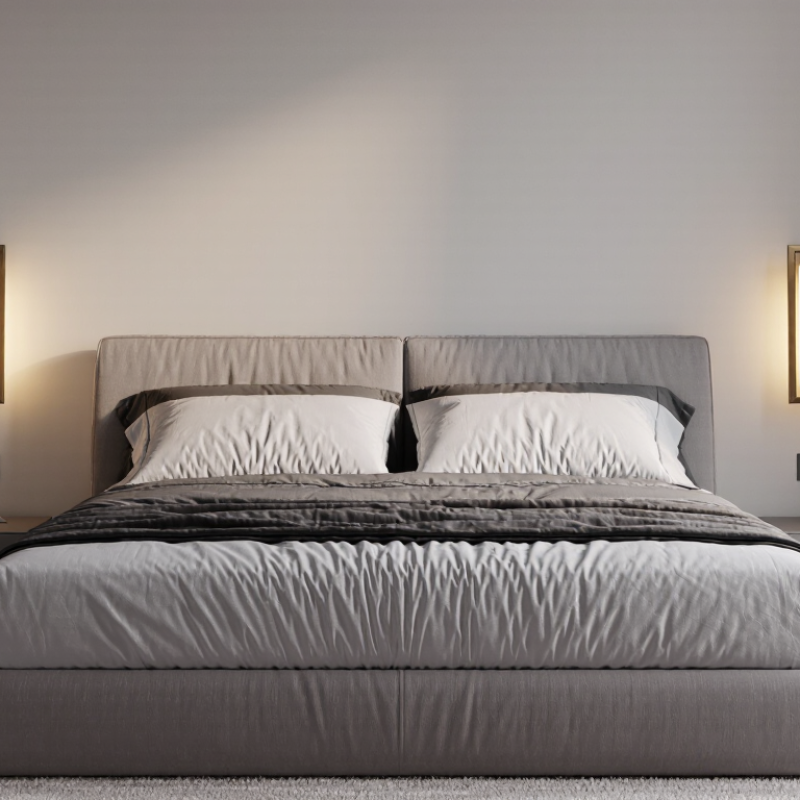
LED wall sconces for bedrooms are fixed lighting fixtures mounted directly to a wall. They usually combine a compact LED light source, a housing, and a diffuser. Unlike ceiling lights, they place illumination near the bed, reading chair, or bedside table. This creates softer, more localized lighting.
Some models provide upward light, downward light, or both. Adjustable versions can aim light toward a book without flooding the entire room. Many also use warm color temperatures, commonly between 2700K and 3000K, which feel calmer at night. Dimming matters. A bright fixture may look attractive in a showroom but feel harsh beside a pillow.
The U.S. Department of Energy reports that residential LEDs use at least 75% less energy than incandescent lighting and can last up to 25 times longer. ENERGY STAR guidance also emphasizes reduced energy use and longer operating life. These figures support LED sconces as practical bedroom lighting. However, performance depends on heat control, driver quality, and installation. Not every LED fixture performs equally well. Check color rendering, glare control, and replacement policies before buying. A poorly diffused sconce can still create uncomfortable shadows. That detail is easy to overlook.
LED wall sconces improve bedroom lighting by placing illumination closer to eye level. This reduces harsh ceiling shadows around the bed, wardrobe, and reading chair. A shielded, diffused LED can spread soft light across a wall without creating glare on screens. In practical installations, adjustable arms are especially useful. They let one person read while another sleeps.
Energy performance is another measurable advantage. ENERGY STAR reports that certified LED lighting uses at least 75% less energy and lasts up to 25 times longer than incandescent lighting. The U.S. Department of Energy’s 2024 Solid-State Lighting R&D Opportunities report also highlights efficacy, controls, and visual comfort as important development areas. For bedrooms, choose warm white light around 2700K to 3000K. Higher color temperatures may feel too alert at night.
Dimming matters greatly. A 100% setting can feel clinical after midnight. Start lower. Look for high color rendering, ideally a CRI of 90 or above, so skin tones and fabrics appear more natural. Keep the fixture’s beam away from the pillow and install it with the switch within reach. One limitation deserves honest attention: even efficient LEDs can feel uncomfortable when poorly aimed. A beautiful fixture cannot repair bad placement. Test the light from the bed before final installation, because bedroom walls, artwork, and dark curtains can change the perceived brightness.
LED wall sconces provide practical benefits beyond bedroom decoration. They direct light across walls, reducing harsh ceiling shadows and creating a calmer evening atmosphere. The U.S. Department of Energy reports that residential LEDs use at least 75% less energy than incandescent lighting and can last up to 25 times longer. That difference can lower replacement frequency and electricity costs.
Their placement also supports better bedside visibility. A sconce beside the headboard can illuminate books without lighting the entire room. Adjustable arms, dimming, and warm color temperatures offer more control during nighttime routines. The Illuminating Engineering Society recommends layered lighting, because one fixture rarely meets every visual need. In practice, I find 2700K to 3000K light more comfortable for bedrooms, though personal preference still matters.
However, the benefit is not automatic. Poorly shielded sconces can produce glare on mirrors, screens, or glossy furniture. Some dimmers also flicker when paired with incompatible LED drivers. The International Energy Agency identifies efficient lighting as an important energy-saving opportunity, but efficiency alone does not guarantee comfort. A fixture may save power yet feel too bright, too cold, or badly positioned. Measure the wall area first, check the beam angle, and consider professional electrical installation where wiring changes are required. Small details matter.
Bedroom LED wall sconces should combine controlled brightness, comfortable color, and safe installation. The best designs offer smooth dimming, low-glare optics, and adjustable direction. These details matter beside a pillow, where exposed LEDs can feel surprisingly sharp. The U.S. Department of Energy reports that LEDs use at least 75% less energy than incandescent lighting. They can also last up to 25 times longer. Efficiency matters, but it cannot replace visual comfort. Look for a color-rendering index of 90 or higher for natural skin tones and readable pages.
Color temperature needs careful judgment. A 2200–3000K setting usually feels warmer at night. The 2020 CIE position statement warns that evening light can influence circadian responses. It does not make every warm lamp automatically sleep-friendly. Brightness, exposure time, and room reflections still matter. Choose a fixture with a real dimming range, not two preset levels. A shielded diffuser prevents bright points from entering the sleeper’s field of view. Follow IEC 62471 photobiological-risk guidance and installation instructions. I would also test the switch from bed. Small inconvenience becomes nightly friction.
Tips: Mount sconces slightly above eye level, then check them while lying down. Aim light toward the wall for softer reflection. Keep controls reachable without crossing the room. If the dimmer flickers, stop using that pairing. Measure the reading surface at night; a comfortable page may still create unwanted room glow. Do not judge only from showroom brightness. Bedrooms expose weaknesses quickly.
Energy efficiency is one of the main benefits of LED bedroom wall sconces. The chart compares typical annual electricity use for a 10W LED, 15W CFL, and 60W incandescent light operated for three hours per day.
A 10W LED uses about 10.95 kWh per year under this usage pattern, compared with approximately 65.7 kWh for a 60W incandescent bulb. When selecting the best bedroom LED wall sconce, also consider dimming support, warm color temperatures around 2700K–3000K, a high color-rendering index, comfortable glare control, and an appropriate lumen output for the room.
Measure the space beside the bed, not just the wall. A reading sconce should sit slightly above eye level when you are seated. This reduces glare and keeps the light focused on the page. Adjustable heads help, but exposed LEDs can still feel harsh.
Choose high color rendering for natural-looking skin and fabric colors. Dimming is valuable when reading, dressing, or preparing for sleep. Check the sconce’s brightness, beam angle, and heat control.
A compact fixture may look elegant, yet provide too little light. That happened in one small bedroom I assessed. The wall looked balanced, but reading became uncomfortable.
Turn off the circuit breaker and verify that the wires are not live. Mount the fixture to a suitable electrical box, rather than relying on weak drywall alone. Use proper anchors when the wall structure requires them. Keep switches reachable from the bed, and plan cable routes before drilling.
Local electrical codes may require a qualified electrician, especially for new wiring. Follow the fixture’s instructions carefully. Perfect symmetry is not always practical. A few centimeters of adjustment can improve comfort more than visual precision.
Test the light from the pillow before tightening every screw.
They place light near eye level, reducing harsh shadows around the bed and reading chair. Diffused light feels softer.
Warm white light between 2700K and 3000K usually creates a calmer evening atmosphere. Higher temperatures may feel too stimulating at night.
Efficient LEDs can use at least 75% less energy than incandescent lighting. They may also last much longer.
Dimming lets you use gentle light before sleep and brighter light while reading or dressing. Full brightness can feel clinical after midnight.
Place it slightly above eye level when seated in bed. Keep the switch within easy reach.
Look for adjustable arms, diffused covers, dimming, warm light, and high color rendering. A CRI of 90 or above shows fabrics more naturally.
Keep the beam away from pillows, mirrors, screens, and glossy furniture. Shielded fixtures usually reduce direct glare.
Measure the space beside the bed and locate a suitable electrical box. Turn off the circuit breaker and verify that wires are not live.
Walls, artwork, dark curtains, and bedding can change perceived brightness. A fixture may appear balanced but still make reading uncomfortable.
LED wall sconces for bedrooms are practical, space-saving fixtures that provide focused or ambient illumination without taking up valuable bedside or floor space. They can improve nighttime visibility, create a calm and comfortable atmosphere, and support activities such as reading, relaxing, or getting dressed. What are the benefits of using LED wall sconces in bedrooms? Key advantages include energy efficiency, long service life, low heat output, flexible placement, and reduced dependence on bulky table lamps or overhead lighting.
The best bedroom LED wall sconces typically offer comfortable brightness, suitable color temperature, glare control, durable materials, and convenient features such as adjustable arms, dimming, or integrated switches. To choose the right fixture, consider the bedroom’s size, layout, wall position, decorating style, and intended use. Proper installation should place the light at a comfortable height, provide balanced illumination, and follow all electrical safety requirements.

Luma Bulb