 Luma Bulb
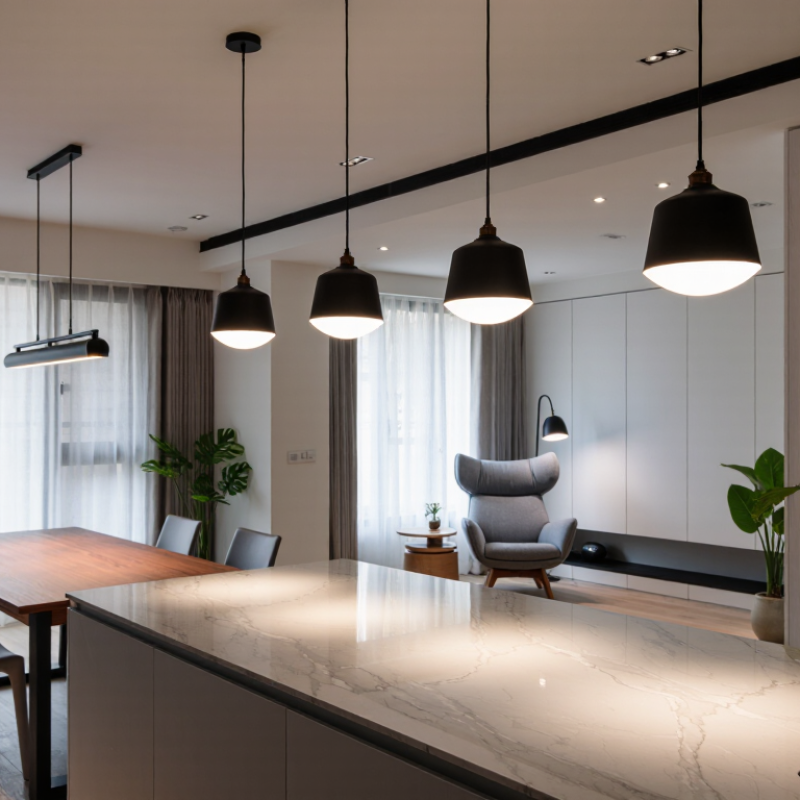
LED pendant lights are suspended fixtures that combine focused illumination with a visible decorative form.
They hang from a cord, rod, or adjustable cable above tables, islands, or reading corners. Inside, light-emitting diodes create light when electric current passes through a semiconductor. This process uses less energy than many older bulbs and produces little radiant heat.
Small detail, big effect.
A driver sits between household power and the LED module.
It converts alternating current into a stable supply the diodes can use. The fixture’s heat sink carries heat away, helping protect light output and component life. Some pendants support dimming, but the wall control and driver must be compatible. Always follow installation instructions and use a qualified electrician when wiring is required. Clear safety certification also matters.
In real rooms, beam angle matters as much as brightness.
A narrow beam can highlight a countertop, while a wider beam softens a dining area. Check color temperature, color rendering, lumen output, and suspension height before choosing. I have found that a pendant installed too low creates glare, even when its design looks perfect. That mistake is easy to overlook. Measure seated eye level and leave comfortable clearance above work surfaces. Choose products with clear safety markings and serviceable parts where possible.
