Backlit LED Panel Lighting has emerged as a prominent choice in modern illumination. The global LED panel market is projected to reach $21.1 billion by 2026, showcasing a significant demand for this lighting technology. As businesses and homeowners alike seek energy-efficient and aesthetically pleasing solutions, understanding the features of Backlit LED panels becomes essential.
These panels offer uniform light distribution, enhancing visibility and comfort in various settings. Industry reports indicate that Backlit LED Panel Lighting can reduce energy consumption by up to 50%, making them an eco-friendly alternative. However, selecting the right panel requires careful consideration of factors like brightness, color temperature, and installation type.
Despite its benefits, users may overlook key attributes such as durability and light quality. Not all products on the market meet the highest standards. This highlights the importance of informed decision-making. Understanding your specific needs and comparing options will pave the way for enhanced lighting experiences.
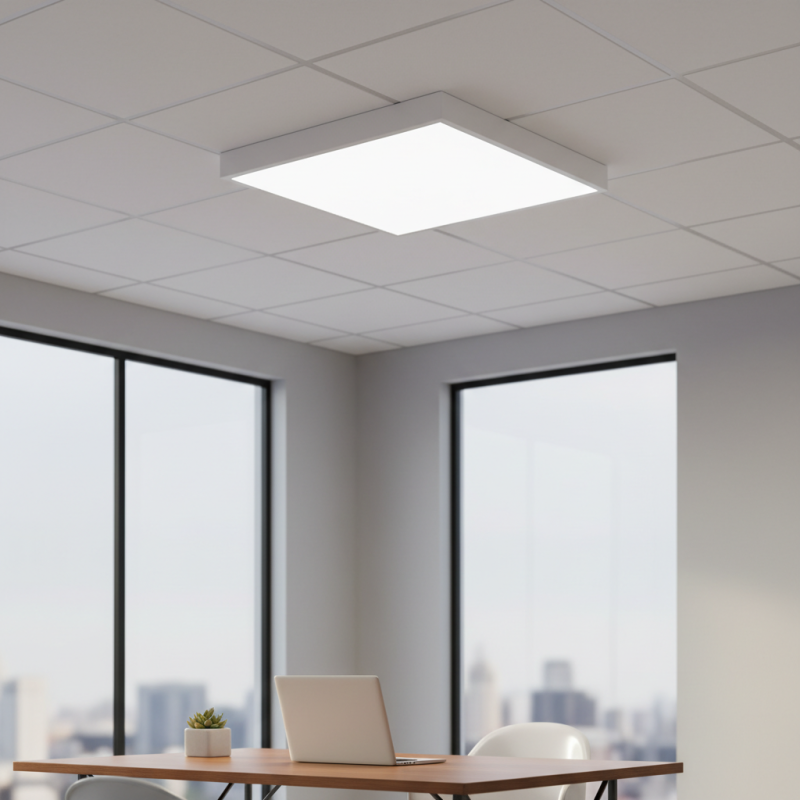
Backlit LED panel lighting is a popular choice for both residential and commercial spaces. It consists of a flat panel illuminated by LEDs from behind. This technology provides a uniform light spread, creating a soft and inviting atmosphere. The panels are typically slim, making them easy to install in ceilings, walls, or even furniture.
Many people choose backlit panels for their energy efficiency. Compared to traditional light sources, they consume less power while providing more light output. However, some may overlook how different color temperatures affect ambiance. Warmer lights can create a cozy feel, while cooler tones are better for productivity. It’s essential to consider where the panels will be installed and how they will be used.
While installation is often straightforward, some might find the process challenging. Proper planning and measuring are crucial to avoid mistakes. Selecting the right size and brightness is also vital. Undersized or overly bright panels can lead to dissatisfaction. Ultimately, backlit LED panels offer versatility and efficiency. However, buyers should take time to evaluate their specific needs to maximize their benefits.
| Feature | Description |
|---|---|
| Type | Backlit LED Panels |
| Light Source | LED lights behind a panel |
| Applications | Offices, retail, residential lighting |
| Color Temperature | Available in warm white, cool white, and daylight |
| Energy Efficiency | High efficiency, low energy consumption |
| Lifespan | Long-lasting, typically 50,000 hours |
| Installation | Easy to install, can be recessed or surface-mounted |
| Dimming Capability | Many models offer dimming options |
| Price Range | Varies from budget to premium models |
Backlit LED panel lighting offers a sleek, modern solution for both home and office environments. These panels provide a uniform light source, reducing shadows and creating a pleasant atmosphere. It’s crucial to consider the panel's lumens output, as higher lumens mean brighter light. However, balancing brightness with energy efficiency is essential.
The color temperature of the light is another key feature. Warm white light creates a cozy feel, while cool white is energizing. Choosing the right temperature can significantly impact mood and productivity. The design and thickness of the panels also matter. Slim panels are more aesthetic but might lack some durability. It's worth evaluating your space's needs and limitations.
Quality matters when selecting backlit LED panels. Look for those with a high Color Rendering Index (CRI) for true color representation. Beware of overly cheap options that may not last. Check reviews and specifications carefully. Sometimes, problems arise due to incorrect installation or poor fit, so thorough research is vital. You're investing in long-term lighting solutions, after all.
Backlit LED panel lighting has gained popularity due to its distinct advantages. One major benefit is energy efficiency. According to the U.S. Department of Energy, LED lighting consumes up to 75% less energy than traditional lighting options. This reduction not only leads to lower electricity bills but also contributes to a lower carbon footprint. Furthermore, backlit panels can last over 50,000 hours, significantly exceeding the lifespan of incandescent bulbs.
Uniform light distribution is another critical advantage. These panels create a soft, diffuse light, reducing glare and shadow in spaces. This feature is particularly beneficial in offices or healthcare facilities, where visibility is essential. A study from the International Dark-Sky Association highlights that consistent lighting exposure can enhance productivity and reduce eye strain in work environments. Moreover, backlit LED panels are available in various colors and temperatures, allowing customization for mood and functionality.
Light quality is vital but often overlooked. While many prefer warm tones, excessive reliance on one type can lead to monotony. Some users experience dissatisfaction when their chosen panels do not meet personal preferences. It is essential to compare different options and consider the specific needs of the space being illuminated. Understanding the trade-offs in light quality and energy efficiency can guide the selection of the best backlit LED panels, ensuring optimal outcomes.
This bar chart illustrates the advantages of Backlit LED Panel Lighting based on various criteria such as energy efficiency, lifespan, brightness, uniform light distribution, and environmental impact. Each advantage is rated on a scale of 1 to 10.
When choosing backlit LED panel lighting, several factors are crucial. First, consider the brightness level. Look for panels with adjustable brightness settings for flexibility. This feature allows you to create the ideal ambiance for any room. Pay attention to the color temperature as well. Options typically range from warm white to cool daylight. Different color temperatures can influence the mood of a space, so choose one that aligns with your design goals.
Tips: Look for models that allow for dimming. This small feature can greatly enhance the atmosphere.
Next, think about energy efficiency. Backlit LED panels should consume less electricity compared to traditional lighting. Check for energy ratings to find the most efficient options. This is not only good for the environment but also for your utility bills. Durability is another factor. Make sure the materials used can withstand wear and tear over time. Panels with high-quality construction tend to perform better.
Tips: Research the lifespan of LED panels. A good product should last for many years without significant degradation in quality.
Finally, consider the installation process. Some panels are easier to install than others. Assess whether you want a ceiling-mounted or recessed option, as this will affect your overall design. Take time to read reviews—real experiences can provide valuable insights into the reliability and performance of the panels you are considering.
When selecting backlit LED panel lighting, it's essential to consider various attributes to ensure the best choice. Look into the panel's size and thickness, as these affect installation and aesthetics. Many brands offer slim designs, ideal for modern spaces. Brightness levels, measured in lumens, significantly impact how well a space is illuminated. Higher lumens can create a vibrant atmosphere, but too much can cause glare.
Color temperature is another crucial aspect. Warm white tones create a cozy feel, while cool white encourages alertness. Finding the right balance enhances workplace productivity. Numerous models showcase energy efficiency, which contributes to lower utility bills. LEDs typically last longer than traditional bulbs, offering longevity.
Brand reputation often indicates reliability. Research customer reviews to gauge performance and potential issues with specific models. It's wise to compare warranties offered by different manufacturers. Sometimes, the cheapest option may lack quality. Consider these factors carefully to ensure that your choice of backlit LED panel lighting meets your specific needs without compromise.
: Choose panels with adjustable brightness settings for flexibility. This allows you to set the right mood for any environment.
Energy efficiency is key. Opt for panels that consume less electricity to save on utility bills and be environmentally friendly.
Color temperature affects the mood. Warm tones are cozy, while cool tones can boost alertness and productivity in workspaces.
Check the materials used for construction. High-quality materials typically withstand wear and tear better over time.
Yes, some panels are easier to install. Consider whether you want ceiling-mounted or recessed options to suit your design.
Reviews offer real experiences. They provide insights into reliability and performance, helping you avoid potential issues.
Yes, brand reputation can suggest reliability. Researching customer feedback is wise to avoid selecting low-quality options.
Many choose the cheapest option without considering quality. This can lead to poor performance and shorter lifespan.
Size and thickness impact both installation and aesthetics. Slim designs suit modern decor, while larger panels may be more prominent.
Backlit LED Panel Lighting is a modern illumination solution that employs LED technology to provide uniform and efficient light distribution. These panels are characterized by their slim design, energy efficiency, and ability to produce a bright, flicker-free light that enhances the aesthetic of any space. They are ideal for offices, schools, and various other environments where high-quality lighting is essential.
When selecting Backlit LED Panels, several factors should be considered, such as size, lumen output, color temperature, and installation type. Understanding the key features and advantages—like their long lifespan and low energy consumption—can help users make informed choices that meet their specific lighting needs. Ultimately, Backlit LED Panel Lighting plays a significant role in creating comfortable and productive spaces while contributing to energy savings.
Luma Bulb