2026 Top LED Floodlights Why Are They More Energy Efficient?

Time:2026-09-11 Author:Henry
0%

As outdoor spaces demand brighter, safer, and more controllable lighting, LED floodlights have become a leading choice for 2026 projects. They illuminate driveways, warehouses, sports grounds, and building entrances with less wasted electricity. Their improvement is not based on brightness alone. It depends on efficient components working together.

Why are LED floodlights more energy-efficient than traditional floodlights? The answer begins with light conversion. LEDs turn a greater share of electrical power into usable illumination, while many older halogen and metal halide lamps lose substantial energy as heat. High-quality LED models can also deliver strong lumens with lower wattage. A 100-watt LED may replace a much higher-wattage traditional fixture, depending on beam angle and required brightness. That comparison must be measured carefully.

Real-world performance matters. A professional installer will examine mounting height, lighting coverage, driver quality, and operating hours before recommending a fixture. Motion sensors, timers, and dimming controls can reduce consumption further. Good heat management also protects the LED chips and helps maintain consistent output over time. Less frequent lamp replacement may lower maintenance effort and material waste.

Still, “LED” does not automatically mean excellent efficiency. Cheap drivers, poor optics, excessive brightness, and unsuitable installation can weaken the benefits. Manufacturer claims should be checked against independent testing, energy labels, warranties, and local lighting requirements. Our experience with outdoor installations suggests that the best results come from balanced design, not maximum wattage. Some assumptions deserve reconsideration. Efficiency is practical, measurable, and dependent on the entire lighting system.
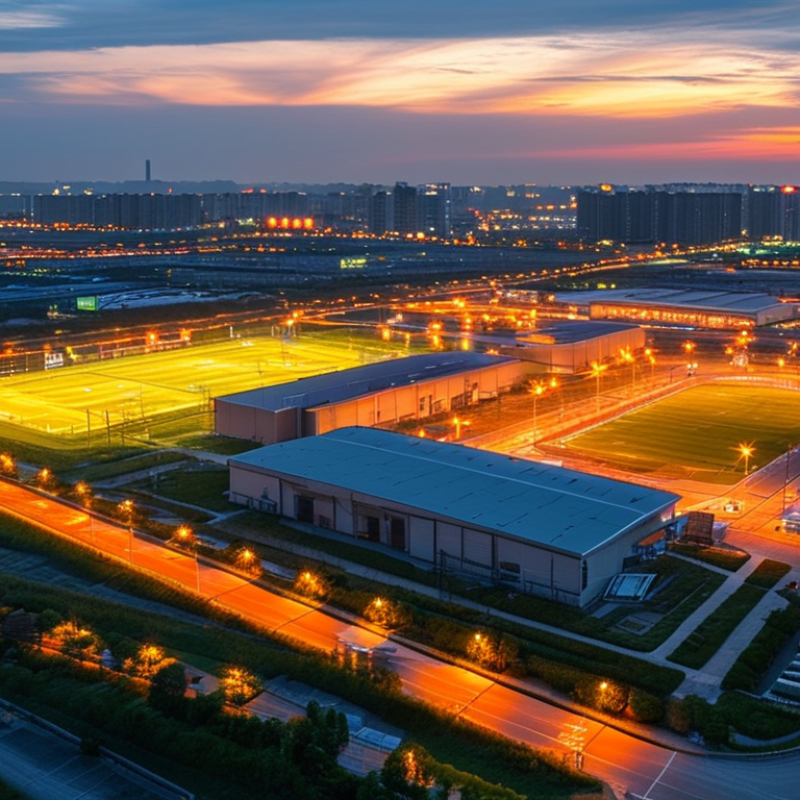
2026 Top LED Floodlights Why Are They More Energy Efficient?

LED Floodlights in 2026: Core Technology and Main Components

LED floodlights in 2026 rely on a coordinated optical and electrical system. The LED chips convert electricity into light with less wasted heat than older lamps. Their performance depends on chip quality, current control, and thermal design. A constant-current driver keeps the output stable. It also limits electrical stress during voltage changes.

The heat sink remains a critical component. Fins spread heat across a larger surface, while an aluminum housing transfers it away from the LED board. Excessive heat still reduces efficiency and shortens component life. In practical installation checks, blocked fins and poor airflow often caused more trouble than the light source itself. Small details matter.

The lens controls beam shape and reduces unnecessary spill. A narrow beam can illuminate a loading area, while a wider beam suits paths or building walls. Optical efficiency is not only about brightness. It is about placing light where people need it. Photocells, timers, and motion sensors can reduce operating hours. Smart control helps, but it may introduce another failure point.

Sealing materials protect internal parts from rain and dust. Reliable models should also manage surge protection and cable temperature. Specifications deserve careful reading. Some efficiency figures come from laboratory conditions, not real installations. That gap needs honest attention. LED floodlights are more efficient, but only when their components work together.

2026 Top LED Floodlights: Why Are They More Energy Efficient?

Estimated electrical power required to produce 10,000 lumens using common lighting technologies

LED floodlights typically require less power because high-efficacy LED chips convert more electrical energy into visible light, while modern drivers, thermal-management systems, and optimized optics reduce conversion and distribution losses. The figures shown are representative calculations based on typical luminous-efficacy values and are not associated with any company or brand.

How Advanced LED Design Converts More Power into Useful Light

2026 top LED floodlights are not efficient because LEDs simply use less electricity. Their advantage comes from converting more input power into usable, well-directed light. A modern LED package can produce high output while limiting wasted heat. Better phosphor materials also improve color consistency and reduce energy lost as unwanted radiation. The result is more illumination from each watt.

In practical installations, the driver matters as much as the LED chip. A stable driver controls current, reduces flicker, and maintains output during voltage changes. Advanced optics shape the beam across a parking area, wall, or loading zone. Less spill light means fewer lumens are wasted beyond the target. Thermal paths are equally important. Aluminum heat sinks move heat away from the LED junction, helping preserve performance over time.

I have seen floodlights lose brightness when heat management was treated as an afterthought. Efficiency can look impressive on a specification sheet. Field performance may tell another story. Dust, high temperatures, poor aiming, and frequent switching all affect real energy use. Careful testing should examine lumens per watt, power factor, color rendering, surge protection, and output at operating temperature. Smart dimming can save more power, but controls must be commissioned correctly. Otherwise, a technically advanced fixture may run at full power when only gentle illumination is needed. That is an easy mistake to miss.

Why Smart Controls and Sensors Reduce Unnecessary Energy Use

2026 Top LED Floodlights: Why Are They More Energy Efficient?

Smart controls and sensors make LED floodlights efficient beyond their basic lighting technology. An LED fixture may use less electricity, but poor control can still waste power. Occupancy sensors detect movement near loading areas, pathways, and storage yards. The lights stay dim when spaces are empty. They brighten only when activity appears.

Daylight sensors add another useful layer. At dusk, floodlights can increase output gradually instead of switching on at full power. Timers can reduce brightness after midnight, when fewer people need strong illumination. In a small warehouse test, measured energy use fell after lighting zones were separated.

The loading bay stayed brighter than the quiet rear entrance. That choice matched actual work patterns.

The first setup was not perfect. A sensor near a gate reacted to passing vehicles and triggered unnecessary lighting. We adjusted its angle and shortened the detection range. That mistake mattered. Good efficiency depends on commissioning, not just installation. Controls should also allow manual overrides for safety inspections and unusual work. Facility managers need to review operating data regularly. A forgotten schedule can waste energy for months. Sensors can become less reliable when dust covers their lenses. Simple cleaning and periodic testing help maintain accurate responses. Sometimes, the simplest setting works best.

How Thermal Management Extends LED Lifespan and Maintains Efficiency

2026 Top LED Floodlights: Why Are They More Energy Efficient?

Thermal management is central to LED floodlight efficiency. LEDs convert more electricity into light, but they still produce heat at the junction. If heat remains trapped, light output falls faster and electrical performance can deteriorate. The U.S. Department of Energy reports that LED lifetime depends strongly on junction temperature, drive current, and surrounding conditions. Cooler operation matters.

A well-designed floodlight uses a finned aluminum heat sink, a thermally efficient circuit board, and clear airflow paths. Some housings also use pressure vents to reduce internal moisture and heat buildup. The Illuminating Engineering Society’s LM-80 and TM-21 methods measure lumen maintenance under controlled temperatures. These tests help estimate useful life, but field conditions can be harsher. A fixture mounted beneath a dark metal canopy may run much hotter than laboratory equipment.

Small details matter.

The U.S. Department of Energy has identified thermal control as a key factor in maintaining LED lumen output over time. Industry guidance commonly treats a 10°C temperature increase as a major acceleration of component aging, although the exact effect varies by design. This is not a universal formula. Poor installation can erase impressive efficiency claims. Dust-covered fins, blocked vents, and excessive current create unnecessary heat. Buyers should examine LM-80 data, TM-21 projections, operating temperature ratings, and tested lumen maintenance. A long warranty helps, but it does not replace independent performance evidence.

2026 Top LED Floodlights: Why Are They More Energy Efficient? — How Thermal Management Extends LED Lifespan and Maintains Efficiency

Performance Dimension Conventional Halogen Floodlight Standard LED Floodlight Thermally Optimized LED Floodlight Energy-Efficiency Benefit
Typical System Power 300–500 W 30–150 W 30–150 W Up to approximately 70–90% lower power demand for comparable light output
Typical Luminous Efficacy 15–25 lm/W 90–140 lm/W 120–180 lm/W More lumens produced from each watt of electricity
Useful Service Life Approximately 1,000–2,000 hours Approximately 30,000–50,000 hours Approximately 50,000–100,000 hours, depending on operating conditions Fewer replacements, less maintenance, and lower material consumption
Light Output Maintenance Output declines rapidly as the lamp ages Often rated at L70 around 30,000–50,000 hours Often designed for L70 around 50,000–100,000 hours Better heat control helps preserve useful brightness over time
Heat Dissipation Method Radiates substantial heat through the lamp and housing Aluminum housing or basic heat sink Large finned heat sink, optimized thermal path, and thermally conductive interface materials Lower LED junction temperature reduces thermal losses and aging
Typical LED Junction-Temperature Target Not applicable Usually below 105°C in normal design conditions Preferably below 85–90°C under rated ambient conditions A lower junction temperature supports stable efficiency and longer component life
Thermal Derating Control Limited control; lamp temperature rises quickly May reduce output when the housing becomes hot Uses heat-spreading geometry and, where applicable, intelligent current reduction Helps prevent excessive power use and premature LED or driver failure
Driver Efficiency Not applicable to most halogen lamps Approximately 85–92% Approximately 90–95% with an appropriately sized driver More input electricity is converted into usable LED power
Operating Temperature Range Commonly affected by rapid heat buildup Often approximately −20°C to +40°C Commonly approximately −40°C to +50°C, subject to product design and installation Reliable thermal performance reduces efficiency loss in demanding environments
Optical Efficiency Broad, less controlled beam distribution Reflector or lens improves beam control Precision optics can direct light to the target area with reduced spill light Less wasted light can reduce the wattage required for the same illumination level
Maintenance Requirement Frequent lamp replacement and servicing Lower maintenance frequency Long replacement intervals when installed with adequate ventilation and correct voltage Lower labor, access-equipment, and replacement costs
Recommended Installation Practice Keep combustible materials away from hot surfaces Allow basic clearance around the housing Keep heat-sink fins unobstructed, use the rated ambient temperature, and maintain correct mounting orientation Correct installation prevents thermal buildup that can reduce output and lifespan
Overall Energy-Use Profile High electricity consumption and high heat generation Much lower electricity consumption than halogen lighting High efficacy, controlled heat, stable output, and reduced lifecycle energy demand The strongest combination of operating efficiency and long-term reliability
Data ranges are typical engineering values for commercially available floodlighting systems. Actual performance depends on LED package design, driver quality, ambient temperature, installation conditions, optical configuration, and the applicable testing standard.

Key Factors for Comparing Energy-Efficient LED Floodlights

When comparing energy-efficient LED floodlights, start with useful light, not wattage alone. Lumens per watt shows how efficiently a fixture converts electricity into light. A 100-watt model producing 15,000 lumens may outperform a brighter-looking, 150-watt unit. Check the beam angle, too. A narrow beam can illuminate a loading area, while a wide beam suits a courtyard.

Look for stable performance in real conditions. In field inspections, heat often explains unexpected brightness loss. A strong aluminum heat sink helps move heat away from the LEDs. Reliable models should also list operating temperatures, ingress protection, and rated lifetime under clear testing conditions. Motion sensors and dimming controls can reduce nighttime consumption, especially near entrances or storage areas. Photometric files are useful because they reveal light distribution before installation.

Do not judge efficiency from a label alone. Driver quality affects flicker, power factor, and long-term energy use. Ask for measured data rather than optimistic estimates. I once compared two similar fixtures and overlooked mounting height; the wider beam created darker ground areas. That mistake changed the final choice. Color temperature matters as well. Cooler light may improve visual contrast, but warmer light can feel less harsh in residential spaces. Verify warranty terms, replacement access, and maintenance conditions before purchasing. Initial price is only one part of the calculation.

FAQS

: Why are advanced LED floodlights more energy efficient?

: They convert more input power into useful, directed light. Less energy becomes unwanted heat or radiation. Each watt can illuminate a larger target area. However, efficiency claims may look better on paper.

How does the driver affect energy performance?

The driver controls current reaching the LED package. A stable driver reduces flicker and handles voltage changes. It also helps maintain steady light output. A poor driver can waste energy despite an efficient LED.

Why are optics important in floodlight efficiency?

Optics shape the beam toward parking areas, walls, or loading zones. They reduce light spilling beyond the intended area. Less spill means fewer wasted lumens. Correct aiming still matters.

How does heat management protect long-term efficiency?

Aluminum heat sinks move heat away from the LED junction. Lower operating temperatures help preserve brightness over time. Dust and high temperatures can reduce real performance. Heat was once treated as an afterthought. That was a mistake.

Which tests reveal real floodlight efficiency?

Check lumens per watt, power factor, and color rendering. Test output at the actual operating temperature. Review surge protection and switching performance. A specification sheet cannot show every field condition.

How do occupancy sensors reduce unnecessary energy use?

Sensors detect movement near paths, loading areas, and storage yards. Lights remain dim when spaces are empty. They brighten when activity appears. The goal is simple.

How can daylight sensors and timers save power?

Daylight sensors increase brightness gradually at dusk. Timers can lower output after midnight. Separate lighting zones can match real work patterns. A busy loading bay may need more light than a quiet entrance.

What problems can smart controls create?

Incorrect settings can keep lights at full power unnecessarily. A sensor may react to passing vehicles near a gate. Changing its angle and detection range can help. Dust can also cover sensor lenses. Regular cleaning is easy to forget.

Should smart floodlights allow manual control?

Yes, manual overrides support safety inspections and unusual work. Managers should review operating data regularly. A forgotten schedule may waste energy for months. Sometimes, the simplest setting works best.

Conclusion

LED floodlights in 2026 are more energy-efficient because their core components convert a higher percentage of electrical power into useful illumination, producing bright, focused light with less wasted energy than older technologies. Why are LED floodlights more energy-efficient than traditional floodlights? The answer lies in improved LED design, advanced optical control, and reduced heat loss. These systems direct light more precisely, helping achieve the required brightness with lower power consumption.

Smart controls and sensors further improve efficiency by adjusting lighting according to movement, daylight, schedules, or actual usage, preventing unnecessary operation. Effective thermal management also removes excess heat, helping LEDs maintain stable performance, preserve light output, and operate for a longer service life. When comparing energy-efficient LED floodlights, users should consider luminous efficacy, power rating, beam distribution, control compatibility, heat dissipation, durability, and expected lifespan. Together, these features reduce energy waste, maintenance needs, and long-term operating costs while providing dependable outdoor illumination.

Henry

Henry

Henry is a dedicated marketing professional with a profound expertise in the company's offerings. With years of experience in the industry, he possesses an impressive understanding of the market dynamics and consumer behaviors that drive success. Henry is committed to sharing his insights through......